Key Takeaways
- Foam rolling can enhance flexibility and recovery for seniors, promoting better movement and reducing muscle tension.
- Regular use of foam rollers can help alleviate pain associated with arthritis and improve overall joint health.
- Choosing the right foam roller is crucial; softer rollers are recommended for beginners to avoid discomfort.
- Incorporating foam rolling into daily routines can significantly improve mobility and reduce the risk of injury.
- Foam rolling should be performed for 5-10 minutes before and after exercise for optimal benefits.
Introduction to Foam Rolling for Seniors
As we age, maintaining flexibility and mobility becomes increasingly important. One effective tool that has gained popularity for enhancing flexibility and aiding recovery is the foam roller. Foam rolling, or self-myofascial release, is a technique that involves applying pressure to specific parts of the body to relieve muscle tension. It’s not just for athletes—seniors can benefit greatly from incorporating foam rolling into their fitness routines.
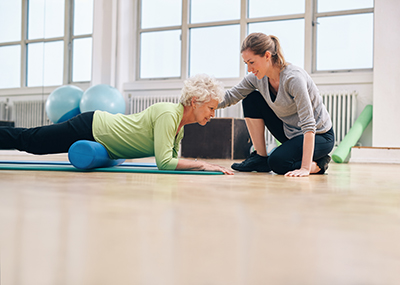
“Foam Rolling for Seniors | Brookdale …” from www.brookdale.com and used with no modifications.
The Benefits of Foam Rolling for Older Adults
Foam rolling offers numerous benefits for seniors. It helps to increase blood flow, improve range of motion, and decrease muscle soreness. Most importantly, it can help release tension in the fascia, the connective tissue surrounding muscles. This release can lead to improved flexibility and reduced pain, which is particularly beneficial for those experiencing age-related stiffness or arthritis.
Furthermore, foam rolling can aid in recovery after physical activity. By helping to remove lactic acid and other waste products from muscles, it accelerates recovery time and reduces the risk of injury. Seniors who regularly engage in foam rolling often report feeling more limber and less prone to muscle aches.
How Foam Rolling Enhances Flexibility and Recovery
Flexibility and recovery are key components of a healthy lifestyle, especially as we age. Foam rolling enhances flexibility by breaking up adhesions and scar tissue that can restrict movement. By targeting specific muscle groups, it allows for a more effective stretch and a greater range of motion.
When it comes to recovery, foam rolling acts as a form of massage therapy. It stimulates blood flow and lymphatic drainage, which are essential for transporting nutrients and removing waste from the body. This process not only speeds up recovery but also reduces the likelihood of delayed onset muscle soreness (DOMS), which can be a common issue after exercise.
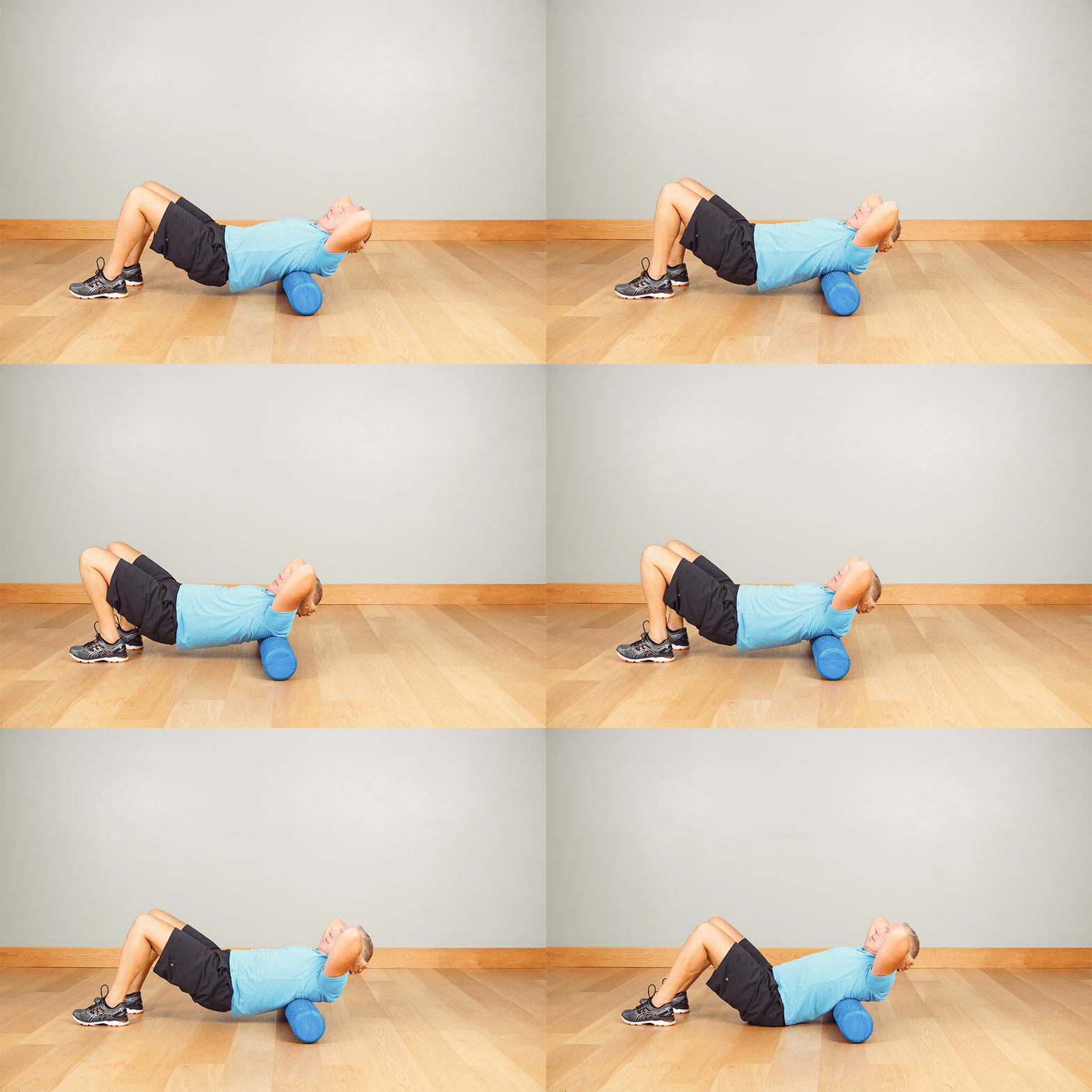
“3 Easy Foam Roller Exercises to Help …” from www.lifetimedaily.com and used with no modifications.
Foam Roller Exercise Routines for Individuals Over 60
Creating a foam roller exercise routine can be simple and highly effective for seniors. The key is to focus on exercises that target areas prone to tightness and discomfort, such as the back, hips, and legs. Incorporating these exercises into a regular fitness regimen can lead to significant improvements in mobility and overall well-being. For a detailed guide, consider these foam roller exercises.
Before starting any new exercise routine, it’s important to consult with a healthcare provider, especially if there are existing health concerns. Once cleared, a foam roller routine can be a wonderful addition to daily activities, providing both physical and mental benefits.
Upper Body Exercises
For the upper body, focus on exercises that target the shoulders, upper back, and arms. These areas often hold tension, especially if you spend a lot of time sitting or working at a desk. Foam rolling can help release this tension and improve posture.
Expert Tips for Effective Foam Rolling
To maximize the benefits of foam rolling, it’s essential to use the correct techniques and equipment. The right approach can make a significant difference in your results, ensuring that you not only enhance flexibility but also aid in muscle recovery.
Finding the Right Foam Roller for You
Choosing the right foam roller is crucial, especially for beginners. Foam rollers come in various densities, textures, and sizes. For seniors, starting with a softer foam roller is advisable. This type offers gentle pressure and reduces the risk of discomfort or bruising.
Additionally, consider the size and length of the roller. A longer roller can provide more stability, especially when targeting larger muscle groups like the back. Textured rollers can offer deeper massages, but they might be more intense for those new to foam rolling.
Proper Foam Rolling Techniques
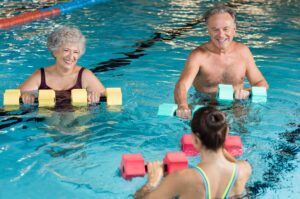
Using the right technique is key to effective foam rolling. Start by positioning the roller under the targeted muscle group. Slowly roll back and forth, applying steady pressure. If you encounter a tender spot, pause and hold for 20-30 seconds, allowing the muscle to release. For a comprehensive approach to fitness, consider integrating low-impact exercises like water aerobics into your routine.
Maintain a slow and controlled movement to avoid injury. Focus on breathing deeply throughout the process to help relax your muscles. Remember, foam rolling should not be painful. If it is, you may be applying too much pressure or spending too long on one area.
Frequency and Duration for Optimal Results
Consistency is important when it comes to foam rolling. Aim to incorporate it into your routine at least 3-4 times a week for about 5-10 minutes per session. This frequency can help maintain flexibility and prevent muscle tightness. For those looking for alternative low-impact exercises, consider exploring water aerobics benefits to complement your routine.
For best results, foam roll both before and after exercise. Pre-exercise rolling can warm up muscles and increase blood flow, while post-exercise rolling aids in recovery and reduces muscle soreness.
“Foam rolling is like brushing your teeth; it’s a small daily investment in your long-term health.” – David Reavy, Physical Therapist
Remember to listen to your body. If a particular muscle group feels tight or sore, give it a little extra attention. However, avoid overdoing it, as too much pressure or duration can lead to bruising or increased soreness.

“Senior Black Man Using Foam Roller High …” from www.gettyimages.com and used with no modifications.
The Role of Flexibility and Recovery in Aging
Flexibility and recovery are integral components of healthy aging. As we age, our muscles and joints naturally lose some of their elasticity, leading to stiffness and reduced mobility. Incorporating practices like foam rolling can counteract these effects, promoting a more active and pain-free lifestyle.
Why Flexibility is Crucial as We Age
Flexibility plays a significant role in maintaining independence and quality of life as we age. It allows us to perform daily activities with ease and reduces the risk of falls and injuries. Moreover, flexible muscles and joints can improve posture and balance, which are critical for preventing age-related issues.
Foam rolling enhances flexibility by breaking down adhesions and scar tissue that can restrict movement. By regularly engaging in foam rolling exercises, seniors can maintain or even improve their range of motion, leading to better overall function.
The Importance of Recovery for Older Adults
Recovery is just as important as exercise itself, particularly for older adults. As the body ages, it takes longer to recover from physical activity. Without proper recovery, the risk of injury increases, which can lead to prolonged inactivity and further health complications.
Foam rolling aids recovery by promoting blood circulation and lymphatic drainage, essential for muscle repair and waste removal. It also helps reduce muscle soreness, allowing seniors to stay active and enjoy the activities they love without discomfort.
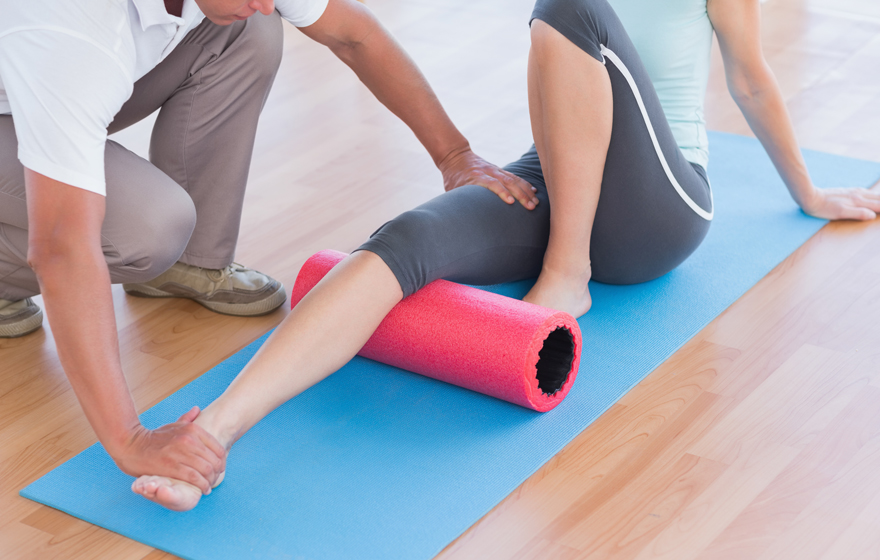
“3 Easy Foam Roller Exercises to Help …” from www.lifetimedaily.com and used with no modifications.
Conclusion and Next Steps
Foam rolling is a powerful tool for seniors looking to enhance their flexibility and aid in recovery. By incorporating it into your routine, you can enjoy the benefits of improved mobility, reduced muscle tension, and a greater sense of well-being. It’s an accessible and effective practice that can be tailored to fit individual needs and fitness levels. For those interested in exploring other fitness options, consider the benefits of low-impact water aerobics to complement your foam rolling routine.
To get started, invest in a foam roller that suits your comfort and needs. Begin with gentle sessions, focusing on areas that feel tight or sore. Gradually increase the duration and frequency as you become more comfortable with the technique. Remember, consistency is key to seeing results.
Beyond the physical benefits, foam rolling can also serve as a form of self-care, providing a moment of relaxation and mindfulness in your day. Embrace this practice as a way to connect with your body and enhance your overall health.
- Start with a softer foam roller to ease into the practice.
- Focus on slow, controlled movements to avoid injury.
- Incorporate foam rolling into your routine 3-4 times a week.
- Consult with a healthcare provider if you have any concerns.
- Enjoy the process and listen to your body’s needs.
Frequently Asked Questions (FAQ)
Foam rolling can be a new concept for many, and it’s natural to have questions. Below are some common inquiries and answers to help guide you in your foam rolling journey.
Remember, the key to success is to start slowly and gradually build your practice. Foam rolling is a personal experience, and what works for one person may differ for another. Always prioritize comfort and safety.
How often should seniors use a foam roller?
Seniors should aim to use a foam roller at least 3-4 times a week. Consistency is important for maintaining flexibility and aiding recovery. It’s beneficial to foam roll both before and after exercise to prepare the muscles and promote recovery. For more low-impact exercise options, consider exploring the benefits of water aerobics.
What type of foam roller is best for beginners?
For beginners, especially seniors, a softer foam roller is recommended. This type provides gentle pressure and is less likely to cause discomfort. As you become more accustomed to the practice, you can explore different textures and densities.
Consider the size of the roller as well. A longer roller can offer more stability and is easier to use for larger muscle groups like the back.
Can foam rolling help with arthritis pain?
Yes, foam rolling can help alleviate some of the discomfort associated with arthritis by reducing muscle tension and improving flexibility. It can also enhance blood flow to the affected areas, promoting healing and reducing stiffness. For more on how foam rolling can relieve pain, check out these foam roller exercises.
Are there any risks associated with foam rolling for seniors?
While foam rolling is generally safe, seniors should be cautious not to apply too much pressure or roll over bony areas. It’s important to listen to your body and stop if you experience pain. Consulting with a healthcare provider before starting is advisable, especially if you have existing health conditions.
How can I incorporate foam rolling into my daily routine?
Incorporating foam rolling into your daily routine can be simple and enjoyable. Set aside 5-10 minutes before or after your daily activities to focus on areas that feel tight or sore. You can also use foam rolling as a form of relaxation, combining it with deep breathing exercises.
Consider pairing foam rolling with other activities like stretching or yoga to create a well-rounded routine that supports flexibility and recovery.


Leave a Reply