Key Takeaways
- Water aerobics offers a low-impact exercise option that is gentle on the joints, making it suitable for individuals with arthritis or joint pain.
- This form of exercise provides a full-body workout, improving cardiovascular health, muscle strength, and flexibility.
- Water aerobics is accessible to people of all ages and fitness levels, providing a safe and effective way to stay active.
- Engaging in water aerobics can enhance mood and reduce stress through its calming and enjoyable nature.
- Essential exercises include water walking, arm movements, core strengthening, leg endurance routines, and balance practices.
Article-at-a-Glance: Low-Impact Water Aerobics
Water aerobics is an ideal form of exercise for many people because it combines the benefits of aerobic activity with the support of water. The buoyancy of water reduces the impact on your joints, making it a perfect choice for those with arthritis or other joint concerns. Moreover, it provides a comprehensive workout that can improve your overall fitness and well-being.
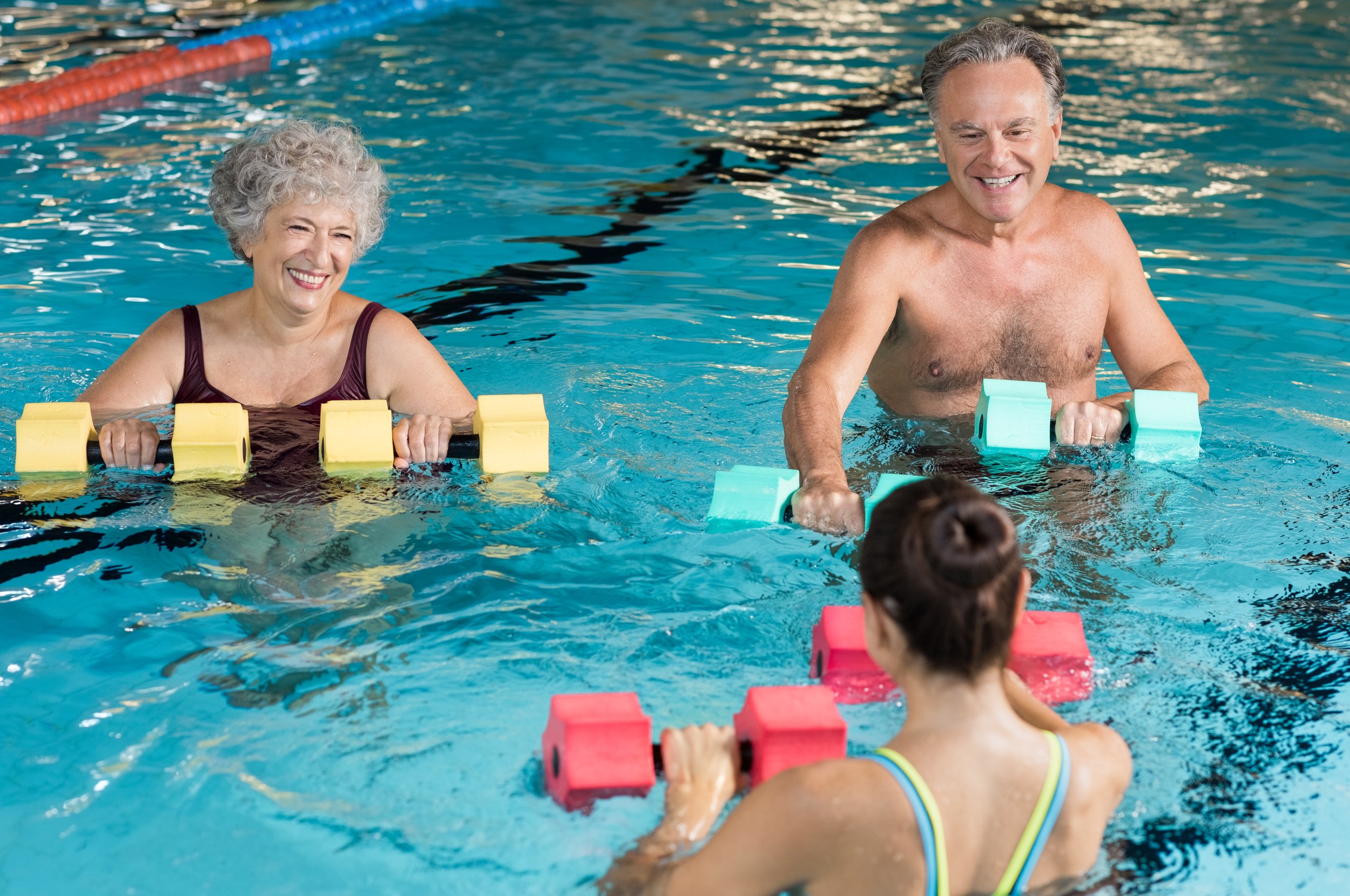
“Water Aerobics Exercises For Seniors …” from www.aquaticperformancetraining.com and used with no modifications.
Why Water Aerobics is Perfect for Everyone
Water aerobics offers a unique blend of health benefits that make it suitable for almost everyone. Whether you’re looking to improve your cardiovascular health, build muscle strength, or simply enjoy a refreshing workout, water aerobics has something to offer.
Gentle on the Body
One of the primary reasons water aerobics is so beneficial is its low-impact nature. The buoyancy of water supports your body, reducing stress on your joints and muscles. This makes it an excellent choice for individuals recovering from injuries or those who suffer from chronic joint pain. The water cushions your movements, allowing you to exercise without the risk of injury that high-impact activities might pose.
For example, consider someone with knee pain who finds running difficult. In the water, they can jog or perform other aerobic exercises without exacerbating their condition. The water acts as a natural resistance, making muscles work harder without the added strain.
Full-Body Workout
- Engages multiple muscle groups simultaneously
- Improves cardiovascular endurance
- Increases muscle strength and tone
Water aerobics isn’t just about splashing around. It offers a full-body workout that engages various muscle groups, enhancing both strength and endurance. The resistance of water means you work harder, even if it doesn’t feel like it. This resistance helps tone muscles and build strength over time.
Most importantly, the cardiovascular benefits of water aerobics shouldn’t be overlooked. Regular participation can lead to improved heart health, better circulation, and increased stamina. Because water aerobics can be adjusted to suit different fitness levels, it’s easy to progress as your fitness improves.
Accessible for All Ages
Water aerobics is truly a versatile exercise that caters to people of all ages. Whether you’re a young athlete looking to cross-train or a senior seeking a safe exercise routine, water-based exercise can meet your needs. The beauty of water workouts is that they can be modified to suit individual abilities, ensuring that everyone gets the most out of their session.
Besides that, water aerobics classes often foster a sense of community. Participants encourage one another, making the experience enjoyable and motivating. The social aspect of these classes can be just as beneficial as the physical workout, contributing to overall well-being.
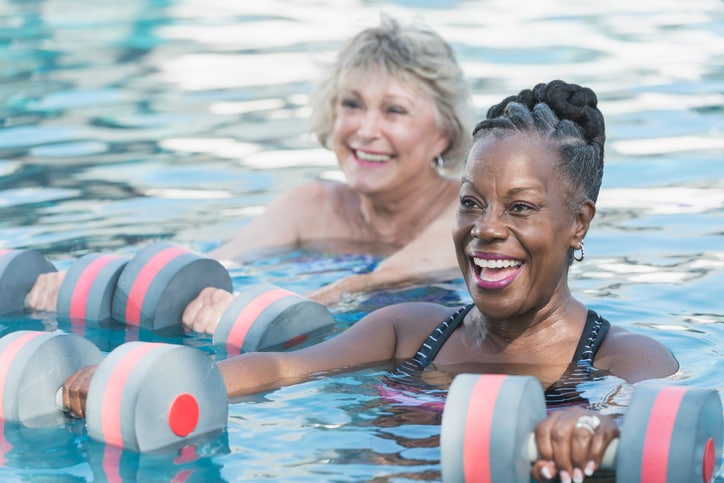
“Water Exercises for Seniors” from www.care.com and used with no modifications.
Health Benefits of Low-Impact Water Aerobics
The health benefits of water aerobics extend beyond its low-impact nature. Engaging in regular sessions can lead to significant improvements in various aspects of physical health.
Improved Cardiovascular Health
Water aerobics is an effective way to enhance cardiovascular health. The resistance of water forces your heart to work harder, improving its efficiency over time. Regular participation can lower blood pressure, reduce the risk of heart disease, and increase overall cardiovascular endurance.
Because water provides natural resistance, your heart rate increases, which is beneficial for cardiovascular health. This type of exercise can be particularly advantageous for those who may find traditional cardio workouts challenging due to joint pain or other limitations. For more information on the advantages of water-based exercise, check out this resource from Harvard Health.
Enhanced Muscle Strength and Endurance
In addition to cardiovascular benefits, water aerobics helps build muscle strength and endurance. The resistance of water is about 12 times that of air, meaning that every movement you make in the water requires more effort than on land. This resistance training helps build and tone muscles without the need for weights.
Moreover, the continuous nature of water aerobics sessions ensures that your muscles are constantly engaged, leading to improved endurance over time. You’ll find that daily activities become easier as your muscle strength and endurance increase.
Water Walking Techniques
Water walking is an excellent starting point for anyone new to water aerobics. It might sound simple, but walking through water provides significant resistance, which can help improve both your strength and cardiovascular fitness. To get started, stand in waist-deep water and walk forward, backward, and sideways. Keep your back straight and engage your core to maintain balance. As you become more comfortable, increase your pace to add intensity.
Incorporate variations like high knees or adding arm movements to increase the challenge. This exercise targets multiple muscle groups, including your legs, core, and arms, providing a comprehensive workout.
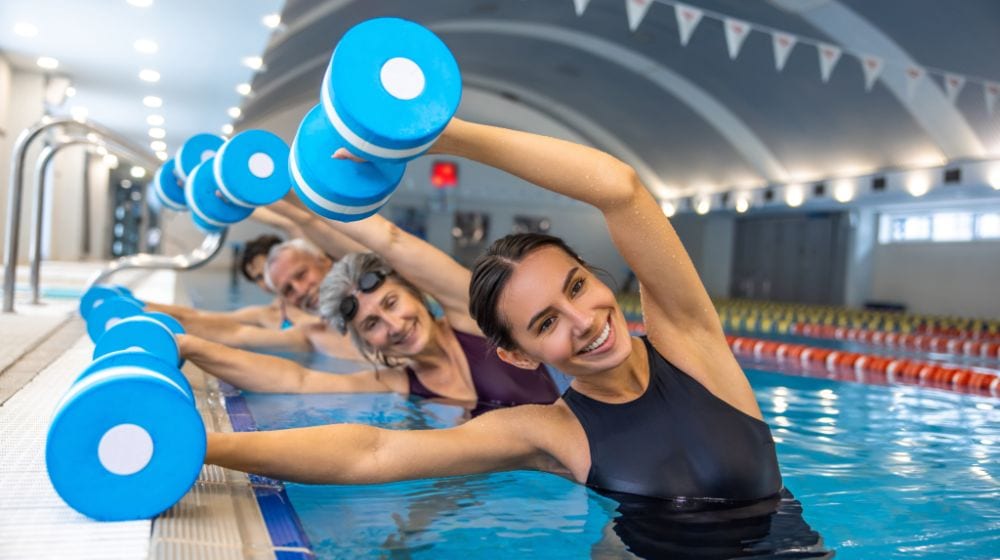
“Water Aerobics for Seniors | 12 Oaks” from 12oaks.net and used with no modifications.
Effective Arm Movements
To enhance upper body strength, focus on specific arm movements. In the water, you can perform exercises like water bicep curls, tricep extensions, and arm raises. Use foam dumbbells or water gloves to increase resistance. The water’s resistance makes these exercises more effective, helping you build muscle and tone your arms without straining your joints.
Besides that, arm movements can be incorporated into other water aerobics exercises to ensure a full-body workout. Combine them with water walking or jogging for added intensity.
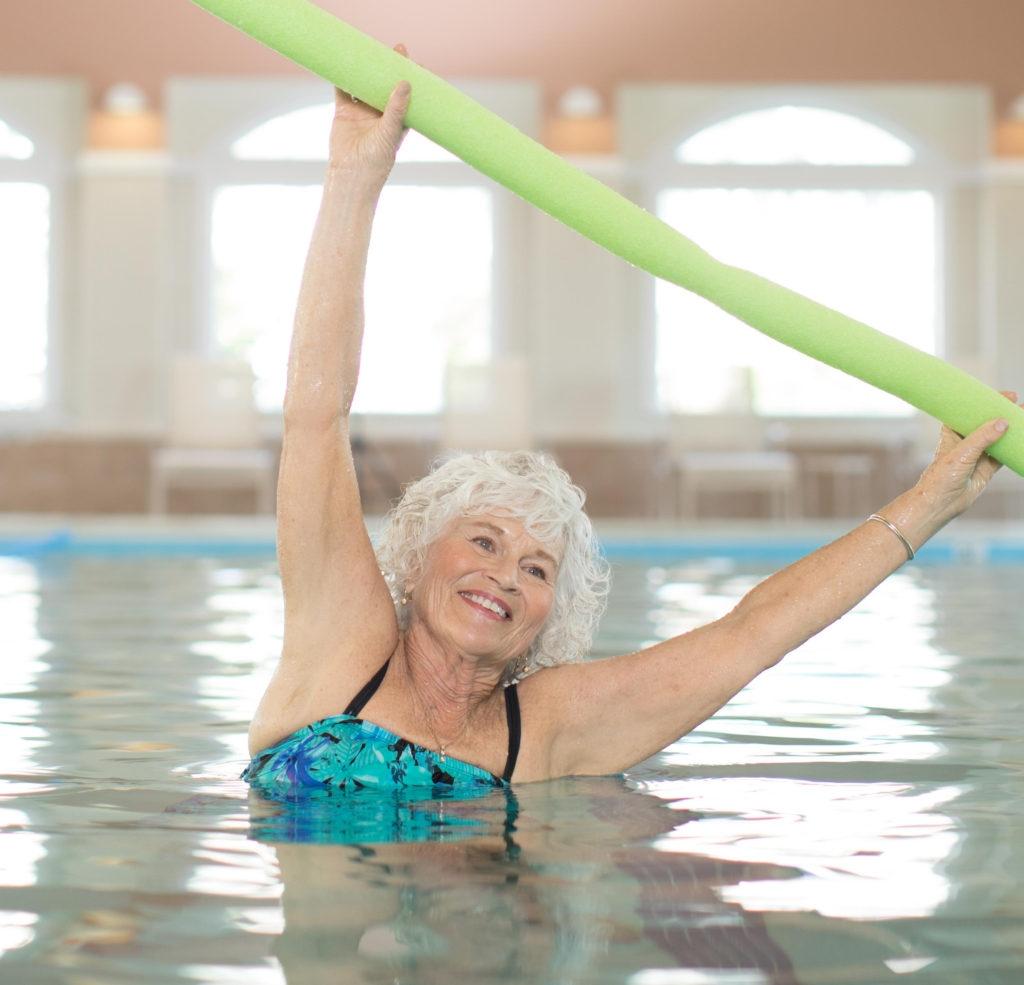
“Water Aerobics for Seniors” from www.meadowridge.com and used with no modifications.
Core Strengthening Exercises
Building a strong core is essential for overall fitness, and water aerobics offers several exercises to target this area. One effective exercise is the water plank. To perform this, hold onto the edge of the pool with both hands, extend your legs behind you, and engage your core to maintain a straight line from head to toe. Hold this position for 30 seconds to a minute, focusing on maintaining your form.
Another core exercise is the water bicycle. Lean back slightly in the water, keeping your head above the surface, and pedal your legs as if riding a bicycle. This movement engages your core muscles while also working your legs.
Example: Jane, a 45-year-old with lower back pain, found relief through water aerobics. By incorporating water planks and bicycles into her routine, she strengthened her core and reduced her pain, allowing her to engage in more physical activities outside the pool.
Leg Endurance Routines
Improving leg endurance is crucial for maintaining mobility and overall fitness. Water aerobics offers several exercises to target your legs. One effective routine is the water squat. Stand in chest-deep water with your feet shoulder-width apart. Lower your body into a squat position, keeping your back straight and your knees aligned with your toes. Rise back up and repeat for 10-15 repetitions.
Another beneficial exercise is the water lunge. Step forward with one leg, lowering your hips until both knees are bent at a 90-degree angle. Push back to the starting position and switch legs. These exercises not only build endurance but also improve balance and coordination.
Fun Balancing Practices
Balance is an essential component of fitness, and water aerobics provides a safe environment to improve this skill. One fun balancing exercise is the water t-stand. Stand on one leg in waist-deep water, extending your arms out to the sides for balance. Hold this position for 30 seconds to a minute, then switch legs.
Incorporate dynamic movements like leg swings or arm circles to challenge your balance further. These exercises engage your core and stabilizing muscles, improving your balance and coordination over time.
Water Aerobics for Beginners
Starting a new exercise routine can be daunting, but water aerobics is accessible and easy to begin. The key is to start slow and gradually increase the intensity as your fitness improves. Water aerobics classes are a great way to learn the basics and stay motivated.
Before starting, consult with a healthcare provider, especially if you have any existing health conditions. They can provide guidance on what exercises are safe and suitable for you.
Getting Started Tips
- Start with shorter sessions, around 20-30 minutes, and gradually increase the duration as your fitness improves.
- Focus on proper form and technique to maximize the benefits and minimize the risk of injury.
- Stay hydrated by drinking water before, during, and after your workout.
Recommended Gear and Equipment
To get the most out of your water aerobics sessions, consider investing in some basic gear. Water shoes provide grip and support, reducing the risk of slipping. Foam dumbbells or water gloves can add resistance, enhancing the effectiveness of your workouts.
Additionally, a comfortable swimsuit and a towel are essential. Some people also find goggles helpful for keeping water out of their eyes during exercises that involve submerging the head.
Finding Classes and Communities
Joining a water aerobics class can provide structure and motivation. Many local gyms and community centers offer classes for different skill levels. These classes are often led by experienced instructors who can guide you through exercises and ensure you’re using proper form.
Connecting with a community of water aerobics enthusiasts can also enhance your experience. You’ll find support, encouragement, and camaraderie, making your workouts more enjoyable and rewarding. For more information, visit this sample post on water aerobics benefits.
Staying Safe During Water Workouts
Safety should always be a priority when engaging in any form of exercise. While water aerobics is generally safe, there are a few precautions to keep in mind to ensure a positive experience.
Example: Mark, who suffers from arthritis, started water aerobics to stay active without pain. By following safety guidelines and listening to his body, he improved his fitness and reduced joint discomfort.
Always warm up before starting your workout and cool down afterward to prevent injury. Pay attention to your body and stop if you experience any pain or discomfort. Remember, it’s important to enjoy the process and listen to your body’s needs. For more information on maintaining a safe and effective exercise routine, explore the advantages of water-based exercise.
Hydration Advice
Even though you’re in the water, it’s crucial to stay hydrated. The body’s need for water doesn’t diminish just because you’re not sweating visibly. Drink water before and after your workout, and take breaks to hydrate during longer sessions. Proper hydration will help you maintain energy levels and prevent cramps or fatigue. For more tips, check out this sample post on maintaining hydration.
Avoiding Overexertion
It’s easy to get caught up in the excitement of a new exercise routine, but it’s important to avoid overexertion. Start slow and listen to your body. If you feel fatigued or experience discomfort, take a break. Gradually increase the intensity and duration of your workouts as your fitness level improves. Remember, it’s better to progress steadily than to risk injury by pushing too hard too soon.
Monitoring your heart rate can also help ensure you’re exercising within a safe range. Aim for a moderate level of exertion where you can still hold a conversation without gasping for air. This balance allows you to reap the benefits of water aerobics without overdoing it.
Listening to Your Body
Listening to your body is key to a successful water aerobics routine. Pay attention to any signals it might be sending, such as fatigue, soreness, or pain. These cues are your body’s way of telling you to slow down or modify your approach. Don’t ignore them.
If you experience persistent pain or discomfort, consult a healthcare professional to ensure you’re not aggravating an existing condition. By being mindful of your body’s needs, you can enjoy a safe and effective workout experience.
Embrace the Power of Water
Water aerobics offers a unique and enjoyable way to stay active. The combination of low-impact exercises and the resistance of water creates an effective workout that benefits both the body and mind. Whether you’re looking to improve your fitness, manage joint pain, or simply have fun, water aerobics has something to offer.
With its accessibility and versatility, water aerobics is an excellent choice for individuals of all ages and fitness levels. By incorporating this form of exercise into your routine, you can enhance your overall health and well-being.
Recap of Benefits
Water aerobics provides a wide range of benefits, from improved cardiovascular health and muscle strength to increased flexibility and stress reduction. Its low-impact nature makes it suitable for those with joint concerns, while its versatility allows for customization based on individual fitness levels. Engaging in water aerobics can lead to enhanced mood, better balance, and an overall sense of well-being.
Most importantly, water aerobics offers a fun and enjoyable way to stay active, making it easy to stick with your fitness routine. With its numerous advantages, it’s no wonder water aerobics is a popular choice for people looking to improve their health.
Encouragement to Dive In
If you’re considering trying water aerobics, I encourage you to take the plunge. With its multitude of benefits and the support of a welcoming community, water aerobics can transform your fitness journey. Don’t let hesitation hold you back. Dive in and discover the positive impact water aerobics can have on your life.
Frequently Asked Questions
To help you get started, here are answers to some common questions about water aerobics:
Can water aerobics help with weight loss?
Yes, water aerobics can aid in weight loss. The combination of cardiovascular exercise and resistance training helps burn calories and build muscle, contributing to weight management. Additionally, the low-impact nature of water aerobics makes it a sustainable option for long-term fitness goals.
Is water aerobics suitable for seniors?
Absolutely! Water aerobics is an excellent choice for seniors due to its gentle impact on joints and muscles. It provides a safe and effective way to stay active, improve balance, and enhance overall fitness. Many seniors find water aerobics to be an enjoyable and social activity that supports their health and well-being.
How often should I do water aerobics to see results?
For optimal results, aim to participate in water aerobics sessions at least two to three times per week. Consistency is key to experiencing the benefits of improved cardiovascular health, muscle strength, and flexibility. As you become more comfortable with the exercises, you can gradually increase the frequency and intensity of your workouts.
Example: A study found that participants who engaged in water aerobics three times a week for 12 weeks experienced significant improvements in their fitness levels and overall health.
What should I wear for water aerobics?
Wear a comfortable swimsuit that allows for a full range of motion. Water shoes are recommended to provide grip and support, reducing the risk of slipping. If you’ll be participating in exercises that involve submerging your head, consider wearing goggles to keep water out of your eyes.
Additionally, you may want to bring a towel and a water bottle to stay hydrated during your session. Having the right gear can enhance your experience and ensure you’re comfortable throughout your workout.
Are water aerobics classes expensive?
The cost of water aerobics classes can vary depending on the facility and location. Many community centers and gyms offer affordable classes, with prices ranging from $5 to $15 per session. Some facilities also offer package deals or discounts for seniors and regular attendees.
Before committing to a class, check if there are any introductory offers or free trial sessions available. This allows you to try out different classes and find one that suits your preferences and budget.



Leave a Reply