Key Takeaways
- Seniors need more protein than younger adults—about 0.45-0.6 grams per pound of body weight daily—to combat age-related muscle loss.
- Distributing protein intake evenly throughout the day maximizes muscle maintenance and strength in older adults.
- Warning signs of inadequate protein include unexplained weakness, slow recovery from illness, and brittle hair and nails.
- High-quality protein sources include lean meats, dairy, eggs, fish, and plant options like legumes and soy products.
- Proper protein intake after 60 supports immune function, bone health, and overall vitality while helping to maintain independence.
As we age, our nutritional needs shift in surprising ways. Perhaps none of these changes is more critical than our increased need for protein after the age of 60. While many seniors believe their protein requirements decrease with age, the exact opposite is true. Nutritional science now clearly shows that adequate protein intake becomes even more essential in our later years, serving as the foundation for maintaining muscle mass, supporting immune function, and ensuring overall health.
Why Protein Becomes Critical After Age 60
Around age 60, our bodies begin experiencing a natural phenomenon called sarcopenia—the gradual loss of muscle mass and strength. This process accelerates at a rate of 3-8% per decade after 30, with the decline becoming most noticeable after 60. Without intervention, this muscle loss can lead to frailty, decreased mobility, and loss of independence.
Protein serves as the primary building block for muscle tissue. As we age, our bodies become less efficient at using protein for muscle synthesis, a condition scientists call “anabolic resistance.” This means seniors need more protein than younger adults just to maintain—let alone build—muscle mass.
Beyond muscle maintenance, adequate protein intake for seniors supports immune function, wound healing, bone health, and even cognitive function. Protein also helps seniors recover from illness and surgery more quickly, and contributes to better overall energy levels and quality of life.
How Much Protein Do Seniors Actually Need?
For decades, the standard protein recommendation for all adults has been 0.36 grams per pound of body weight daily (or 0.8g/kg). However, research now indicates this amount is insufficient for older adults. According to the PROT-AGE Study Group and research published in the Journal of the American College of Nutrition, seniors should consume significantly more protein to counteract age-related muscle loss.
The New Math: 0.45-0.6g Per Pound of Body Weight
Current evidence suggests that adults over 60 should aim for 0.45-0.6 grams of protein per pound of body weight daily (1.0-1.3g/kg). This represents a 25-65% increase over standard recommendations. For seniors with chronic conditions or those who are particularly active, protein needs may be even higher—sometimes up to 0.7-0.9 grams per pound (1.6-2.0g/kg) depending on individual circumstances. For more information on how to get protein, you can refer to this WebMD guide.
This increased protein recommendation acknowledges the body’s changing ability to use protein effectively as we age. Research shows that higher protein intake in seniors is associated with better health outcomes, including preservation of lean muscle mass, improved recovery from illness, and better maintenance of functional abilities.
Calculating Your Personal Protein Target
To determine your personal protein needs, multiply your weight in pounds by 0.45-0.6 (or use the higher end if you’re very active or recovering from illness). For example:
- A 150-pound senior would need 68-90 grams of protein daily (150 × 0.45-0.6)
- A 180-pound senior would need 81-108 grams of protein daily (180 × 0.45-0.6)
- A 130-pound senior would need 59-78 grams of protein daily (130 × 0.45-0.6)
Daily Protein Content Example (for a 150-pound senior aiming for 75g protein)
Breakfast: 2 eggs (12g) with 1 oz cheese (7g) = 19g
Lunch: 3 oz chicken breast (26g) with vegetables = 26g
Dinner: 3 oz salmon (22g) with quinoa (4g) = 26g
Snack: 6 oz Greek yogurt (18g) = 18g
Total: 89g protein
Why Standard Recommendations Fall Short
The standard protein recommendation of 0.36g per pound was established based on studies of younger adults. This amount represents the minimum needed to prevent deficiency—not the optimal amount for health, especially for seniors. The aging body experiences numerous changes that affect protein utilization, including decreased digestive efficiency, hormonal changes, and altered metabolism.
Additionally, many seniors face challenges that increase protein needs, such as chronic inflammation, recovery from surgery, or periods of decreased activity due to illness. In these situations, protein requirements can increase substantially to support healing and prevent muscle loss during periods of inactivity.
Warning Signs You’re Not Getting Enough Protein
Your body has ways of signaling when protein intake falls short of what’s needed. For seniors, these warning signs may be mistakenly attributed to “just getting older” when they actually indicate a nutritional deficiency that can be addressed. Recognizing these signals early can help prevent more serious health complications.
Pay attention to changes in your body that persist for more than a few weeks, as they may indicate insufficient protein intake. While occasional symptoms are normal, consistent patterns warrant a discussion with your healthcare provider about your nutritional status.
Unexplained Muscle Loss and Weakness
The most direct consequence of inadequate protein intake is accelerated muscle loss. This manifests as noticeable weakness, difficulty rising from chairs, or trouble carrying groceries that were once manageable. You might find yourself relying more on handrails or feeling unsteady during routine activities.
When the body lacks sufficient dietary protein, it begins breaking down muscle tissue to access the amino acids it needs for essential functions. This creates a dangerous cycle where muscle loss leads to reduced activity, which further accelerates muscle deterioration. For more information on maintaining muscle health, you can refer to protein needs after 60.
Muscle loss that exceeds the normal age-related decline (especially if occurring over months rather than years) should be discussed with a healthcare provider. This is particularly important if accompanied by unexplained weight loss or significant changes in strength.
Slow Recovery from Illness or Injury
Protein is essential for tissue repair and immune function. Seniors with insufficient protein intake often experience prolonged recovery times from even minor injuries, surgeries, or common illnesses. Wounds may heal more slowly, and bounce-back from routine procedures takes longer than expected. Engaging in recovery techniques can help improve healing times.
The immune system relies heavily on protein to produce antibodies and immune cells that fight infection. Without adequate protein, immune function declines, making seniors more susceptible to infections and prolonging recovery times when illness occurs.
If you notice that recovery from routine illnesses like colds takes significantly longer than it used to, or if minor cuts and bruises heal slowly, consider whether protein intake might be a contributing factor.
Frequent Hunger and Food Cravings
Protein contributes significantly to satiety—the feeling of fullness after eating. Without sufficient protein, seniors may feel hungry again shortly after meals or experience unusual cravings throughout the day. This constant hunger can lead to grazing on less nutritious, carbohydrate-rich snacks that don’t address the underlying protein deficiency.
Many seniors report feeling more satisfied and experiencing fewer cravings when they increase their protein intake. This improved satiety often leads to better overall nutritional choices and more stable energy levels throughout the day.
Brittle Hair, Nails and Skin Issues
Protein is the primary structural component of hair, skin, and nails. When protein intake is inadequate, these tissues often show visible changes. Hair may become thinner or break more easily, nails become brittle and develop ridges, and skin may appear thinner or heal more slowly after minor damage.
These external signs often appear after several months of insufficient protein intake, as the body prioritizes protein for more critical internal functions. By the time these symptoms become noticeable, internal protein stores may already be significantly depleted. For those over 60, incorporating strength training can help maintain muscle mass and support overall health.
Top Protein Sources for Seniors
Not all protein sources are created equal, especially for seniors who may have changing dietary needs, preferences, and potential digestive challenges. The ideal protein sources provide not just high-quality protein but also additional nutrients that support overall health while being easy to prepare and consume. For seniors interested in maintaining strength, incorporating strength training over 60 can complement a protein-rich diet effectively.
High-Quality Animal Proteins
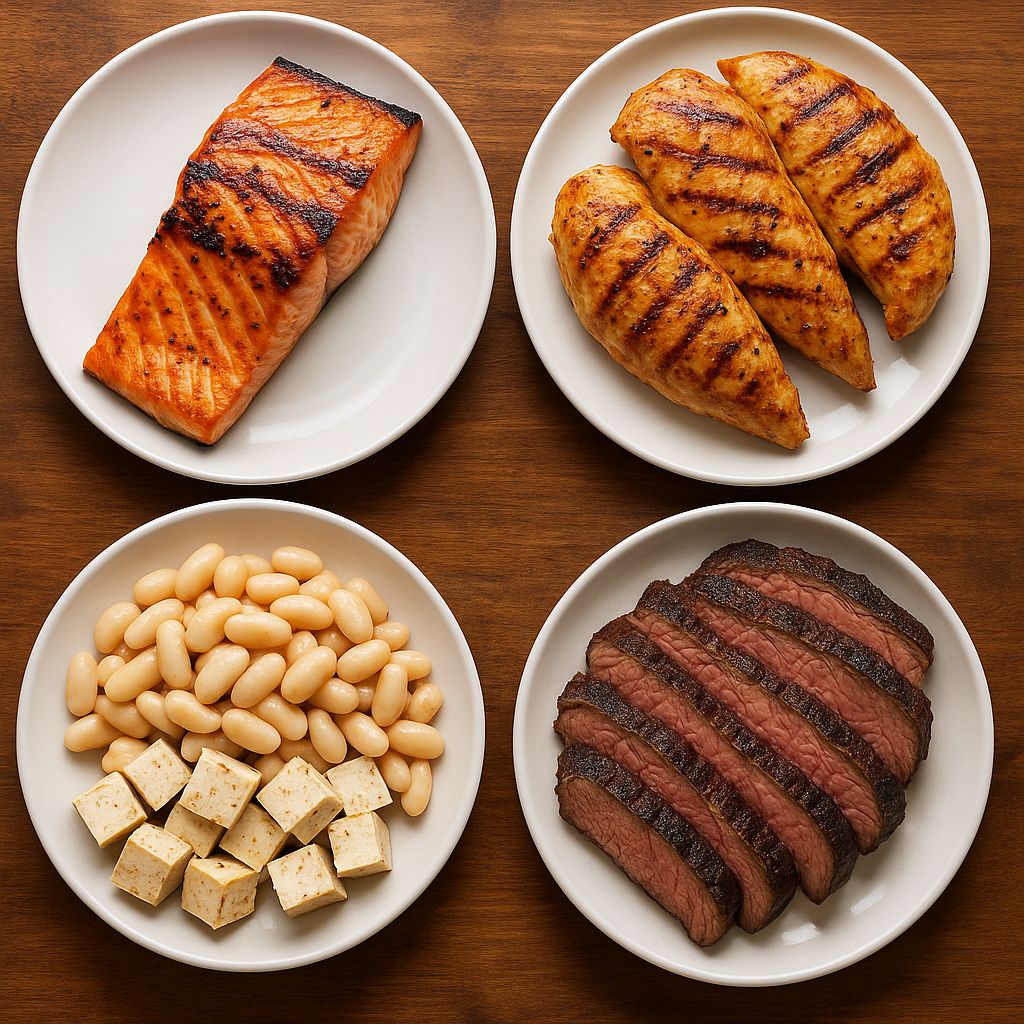
Animal proteins provide all essential amino acids in proportions that closely match human needs, making them “complete” proteins. Lean meats like chicken, turkey, and lean cuts of beef or pork provide substantial protein with relatively low fat content. A 3-ounce serving of chicken breast provides about 26 grams of high-quality protein.
Fish and seafood deserve special mention for seniors, as they combine complete protein with heart-healthy omega-3 fatty acids. Salmon, tuna, trout, and sardines are excellent choices that support both muscle and brain health. Three ounces of salmon provides approximately 22 grams of protein plus anti-inflammatory omega-3s.
Dairy products offer accessible protein options that require no preparation and provide calcium for bone health. Greek yogurt stands out with up to 20 grams of protein per cup, while cottage cheese offers about 24 grams per cup. Even a glass of milk provides 8 grams of complete protein along with vitamin D and calcium.
Plant-Based Protein Options
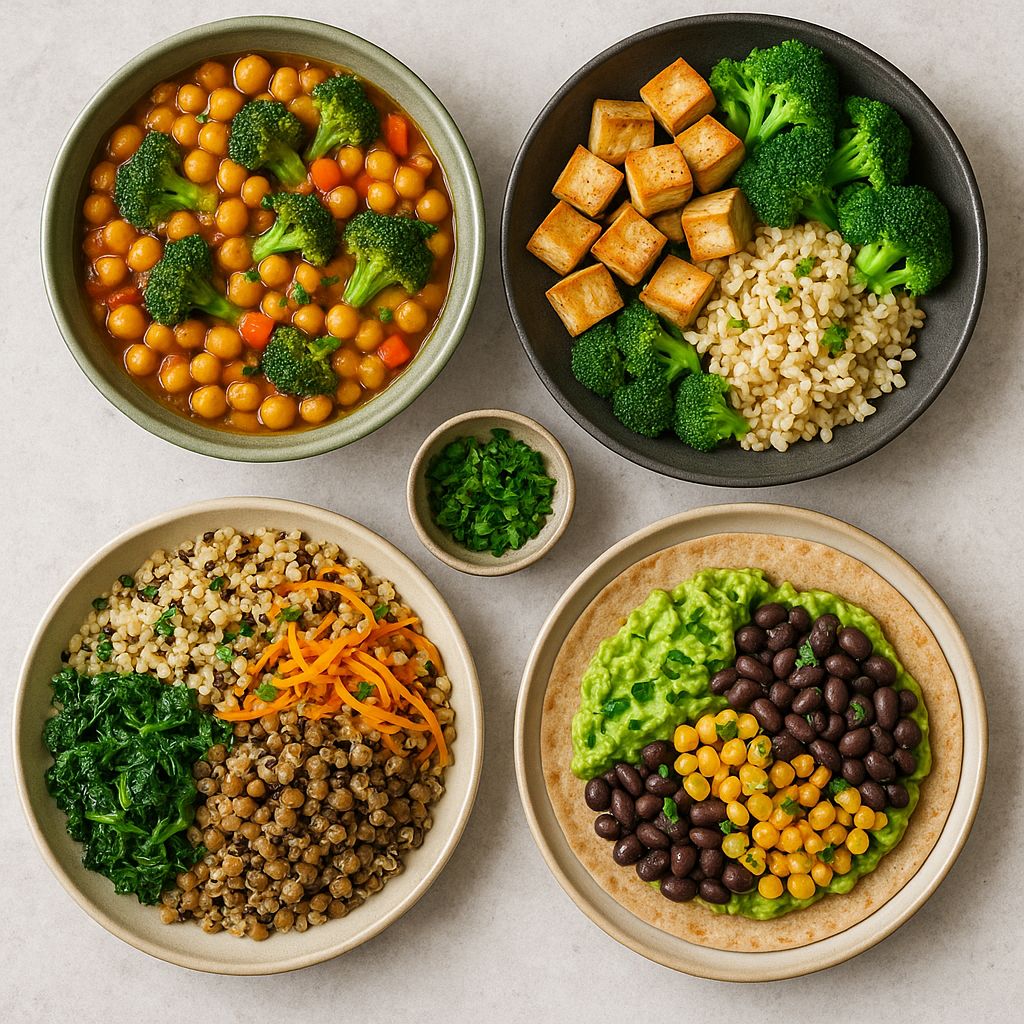
Legumes like beans, lentils, and peas provide significant protein along with fiber and complex carbohydrates. A cup of cooked lentils contains about 18 grams of protein, while black beans provide around 15 grams per cup. These options are particularly valuable for seniors watching their budget or reducing animal product consumption.
Soy products like tofu, tempeh, and edamame provide complete plant proteins that contain all essential amino acids. A half-cup of tofu provides about 10 grams of protein, while a cup of edamame offers 17 grams. Research from BreastCancer.org indicates that moderate soy consumption is safe and potentially beneficial for most seniors.
Nuts and seeds contribute protein along with healthy fats and micronutrients. While not as protein-dense as animal sources, they make excellent snacks and meal additions. A quarter-cup of almonds provides about 7 grams of protein, while two tablespoons of chia seeds contain 4 grams plus beneficial omega-3 fatty acids.
Easy-to-Digest Protein for Sensitive Digestion
Many seniors experience digestive changes that can make some protein sources challenging to digest. Soft-cooked eggs are highly digestible and provide about 6 grams of complete protein per egg along with vitamins and minerals. The American Heart Association has revised its stance on eggs, noting they can be part of a healthy diet for most people.
Smoothies made with Greek yogurt, milk, or protein powder can deliver significant protein in an easily digestible liquid form. These can be particularly valuable for seniors experiencing decreased appetite or difficulty chewing. Adding a banana, berries, or spinach increases nutritional value while maintaining easy digestibility.
Bone broth has gained popularity as a digestible protein source that may offer additional benefits for joint health. While scientific evidence for some claims is limited, quality bone broth does provide easily absorbed amino acids in a soothing, warm format that many seniors find appealing, especially during illness.
Budget-Friendly Protein Choices
Protein-rich foods often represent a significant portion of the grocery budget, but there are economical options that don’t sacrifice nutritional quality. Canned fish like tuna, salmon, and sardines provide excellent protein value and have long shelf lives. These options require no cooking and can be incorporated into meals with minimal preparation.
When to Consider Protein Supplements
While whole food sources of protein should always be the primary focus, there are situations where protein supplements may be beneficial for seniors. Consider supplements if you’re consistently unable to meet your protein needs through diet alone, recovering from surgery or illness, experiencing unintentional weight loss, or have increased protein needs due to physical activity that can’t be met through food.
Types of Protein Supplements for Seniors
Whey protein is quickly absorbed and contains all essential amino acids, making it ideal for muscle maintenance. It’s particularly high in leucine, an amino acid that specifically triggers muscle protein synthesis. Casein protein, another dairy-derived option, digests more slowly, providing a sustained release of amino acids that can be beneficial before bedtime to support overnight recovery.
How to Choose a Quality Product
Look for supplements with short ingredient lists and minimal additives, sweeteners, or fillers. Quality protein powders should provide at least 20-25 grams of protein per serving while containing less than 5 grams of sugar. Third-party testing certifications from organizations like NSF, USP, or Informed Choice can help ensure the product contains what it claims and is free from contaminants.
For seniors with sensitive digestion, consider hydrolyzed protein formulas which are pre-broken down for easier absorption. Plant-based options like pea, hemp, or brown rice protein can work well for those avoiding dairy, though you may need to combine different plant proteins to get a complete amino acid profile unless the product is specifically formulated as a complete protein.
Protein and Medication Interactions: What to Watch For
Protein can affect how certain medications are absorbed and utilized by the body. Some antibiotics, particularly tetracyclines and quinolones, bind to calcium in dairy products, reducing their effectiveness. Certain medications for Parkinson’s disease, like levodopa, compete with protein for absorption, so timing protein intake away from medication doses may be necessary. Always consult with your healthcare provider about potential interactions between your specific medications and protein consumption patterns.
Partnering with Your Doctor on Protein Needs
Involve your healthcare provider in discussions about protein intake, especially if you have chronic conditions like kidney disease, diabetes, or heart disease that may affect your protein requirements. During regular check-ups, discuss any changes in weight, muscle strength, energy levels, or appetite that might indicate a need to adjust your protein intake. Your doctor can help tailor recommendations to your specific health conditions and medication regimen.
Key Blood Tests to Monitor
Several blood tests can provide insights into your protein status and overall nutritional health. Albumin and prealbumin levels reflect protein status, though they can be affected by inflammation and other conditions. Complete blood count (CBC) can identify anemia, which sometimes occurs with protein deficiency. Kidney function tests, including BUN (blood urea nitrogen) and creatinine, are important to monitor if you’re increasing protein intake, especially for those with existing kidney concerns.
Comprehensive metabolic panels can provide a broader picture of nutritional status and organ function. If you’re experiencing unexplained fatigue or muscle weakness, your doctor might also check vitamin D levels, as this nutrient works synergistically with protein for muscle health.
When to Adjust Your Protein Intake
Certain life events and health changes may require adjustments to protein intake. During recovery from surgery, illness, or injury, protein needs typically increase by 20-50% to support healing. If you begin a new exercise program, particularly strength training, you may benefit from additional protein to support muscle adaptation. Periods of stress, whether physical or emotional, can increase protein requirements as stress hormones can accelerate protein breakdown.
Weight changes, either gain or loss, should trigger a reassessment of protein needs. Unintentional weight loss particularly signals a need to increase not just calories but also protein intake to prevent muscle loss. Conversely, intentional weight loss should be accompanied by adequate protein to preserve muscle mass while losing fat.
Protein Needs During Special Circumstances
Normal aging: 0.45-0.6g/lb body weight
Acute illness: Increase by 20-30%
Surgery recovery: Increase by 30-50%
New exercise program: Increase by 15-25%
Wound healing: Increase by 30-50%
Unintentional weight loss: Increase by 25-30%For more information on how to get adequate protein, check out this guide on protein intake.
Regular reassessment of protein needs should be part of your ongoing health management, particularly after significant health events or when beginning new medications. What works at age 65 may need adjustment by age 75 or 80 as physiological changes continue throughout the aging process. For those looking to complement their dietary adjustments, incorporating strength training can also be beneficial in maintaining muscle mass and overall health.
Your Action Plan for Optimal Protein Intake
Start by calculating your personal protein target using the 0.45-0.6g per pound formula. Track your current intake for several days to identify gaps between your actual consumption and your target. Plan your daily menu to include protein at every meal, aiming for 25-30 grams per meal if possible. Keep convenient protein-rich snacks readily available, such as Greek yogurt, hard-boiled eggs, or nuts, to help meet your daily targets.
Establish a regular eating schedule to ensure consistent protein intake throughout the day. Consider preparing protein-rich foods in advance during high-energy parts of the day to make healthy choices easier when fatigue sets in. Share your protein goals with family members or caregivers who assist with shopping or meal preparation, and schedule regular check-ins with your healthcare provider to monitor progress and adjust your approach as needed.
Frequently Asked Questions
Many seniors and caregivers have common questions about protein intake in older adults. These answers are based on current scientific evidence and recommendations from nutrition experts specializing in geriatric nutrition. Remember that individual circumstances may warrant personalized adjustments to these general guidelines.
Working with qualified healthcare professionals remains the best approach for developing a personalized nutrition plan that considers your unique health status, medications, and lifestyle factors.
Can too much protein harm my kidneys after age 60?
For seniors with normal kidney function, research shows that higher protein intakes within the recommended range (0.45-0.6g per pound) are not harmful. The concern about protein and kidney health primarily applies to those with existing kidney disease. If you have diagnosed kidney disease, work closely with your healthcare provider to determine appropriate protein levels, as recommendations vary based on the type and stage of kidney disease.
Regular kidney function monitoring is prudent when increasing protein intake, particularly for those with risk factors for kidney disease such as diabetes or hypertension. For most healthy seniors, however, the benefits of adequate protein intake far outweigh potential risks.
How can I get enough protein if I’m vegetarian or vegan?
Plant-based diets can provide adequate protein for seniors when properly planned. Focus on protein-rich plant foods like legumes (beans, lentils, chickpeas), soy products (tofu, tempeh, edamame), seitan, quinoa, nuts, and seeds. Combining different plant proteins throughout the day helps ensure you receive all essential amino acids. Many seniors find that including some fortified plant-based products like plant protein powders or nutritional yeast helps meet protein goals without excessive calorie intake. For those looking to complement their diet with physical activity, strength training over 60 can be a beneficial addition.
Does protein powder work as well as food sources?
While whole food protein sources are generally preferable due to their additional nutrients and dietary fiber, quality protein supplements can effectively contribute to meeting protein needs. Research shows that the amino acids in protein supplements are well-absorbed and utilized for muscle protein synthesis. Protein supplements are particularly valuable in situations where appetite is poor, chewing is difficult, or when recovering from illness when protein needs are elevated but eating capacity may be limited.
Should I adjust my protein intake if I exercise regularly?
Yes, physically active seniors benefit from higher protein intakes. Research suggests that older adults who engage in regular strength training or endurance exercise may need up to 0.7-0.8 grams of protein per pound of body weight (1.6-1.8g/kg) to support muscle repair and adaptation. Consuming some protein within 1-2 hours after exercise appears particularly beneficial for supporting recovery and maximizing the muscle-preserving benefits of physical activity.
The combination of adequate protein intake and regular physical activity, particularly resistance training, creates a synergistic effect that better preserves muscle mass and function than either strategy alone. This partnership between nutrition and exercise becomes increasingly important after age 60.
How does protein intake affect medication absorption?
|
Medication Class |
Protein Interaction |
Recommendation |
|---|---|---|
|
Levodopa (Parkinson’s) |
Competes with protein for absorption |
Take 30-60 minutes before meals |
|
Tetracycline antibiotics |
Binds with calcium in dairy |
Avoid dairy 2 hours before/after |
|
Thyroid medications |
Some proteins may reduce absorption |
Take on empty stomach |
|
Warfarin (blood thinner) |
Vitamin K in protein foods can interfere |
Maintain consistent intake |
The timing of protein consumption relative to medication intake can significantly impact drug effectiveness. Beyond the examples in the table, protein can affect how quickly or slowly certain medications are processed by the liver. Always check with your pharmacist about specific timing recommendations for your medications, as these can vary widely.
For medications requiring an empty stomach, a general rule is to take them either 1 hour before or 2 hours after consuming protein. For medications that cause stomach upset, taking them with a small amount of protein-containing food may help reduce discomfort without significantly impacting absorption.
If you take multiple medications, work with your healthcare provider to develop a schedule that optimizes both medication effectiveness and protein intake. Never adjust medication timing without professional guidance, as proper medication management remains essential for managing chronic conditions.
Maintaining a medication diary alongside your food journal can help identify patterns and potential interactions between your protein intake and medication effectiveness. Share this information with your healthcare team to fine-tune your approach. Additionally, consider incorporating strength training over 60 to enhance overall health and well-being.
Proper protein intake after 60 represents one of the most powerful nutritional strategies for maintaining health, independence, and quality of life as we age. By understanding your specific needs and implementing practical strategies to meet them, you can significantly impact how well you age and maintain functionality throughout your later years.
For personalized guidance on optimizing your nutrition plan for healthy aging, consult with a registered dietitian who specializes in geriatric nutrition. They can help create a customized approach that considers your unique health status, preferences, and lifestyle factors. Additionally, incorporating activities like strength training over 60 can further enhance your overall health and well-being.
As we age, our dietary needs change, and understanding how to adjust our nutrition accordingly is crucial. Protein intake becomes increasingly important after the age of 60 to maintain muscle mass and overall health. For more detailed guidance on healthy eating and dietary guidelines as we age, it’s beneficial to consult reliable sources that offer comprehensive advice on nutrition for older adults.




Leave a Reply