Key Take
Key Takeaways
- Starting healthy aging practices today can add 5-10 quality years to your life regardless of your current age
- The five pillars of aging strong include purposeful movement, brain training, nutrition optimization, social connections, and finding meaningful purpose
- Baby Boomers are revolutionizing aging by embracing preventative care rather than simply treating disease
- Consistent small daily habits create more significant long-term benefits than sporadic intensive efforts
- Technology offers powerful tools for seniors to monitor health metrics and stay connected with communities that support longevity
Living longer isn’t the same as living better. Today’s seniors face a remarkable opportunity—not just to add years to their lives but to add vibrant, active life to those years. The difference between merely surviving and truly thriving in your golden years comes down to intentional choices you make starting right now.
The latest research from the McKinsey Health Institute reveals that preventative lifestyle interventions can dramatically improve quality of life in later years. With Americans living well past traditional retirement age, a new approach to aging has emerged—one that prioritizes vitality, engagement, and purpose over the outdated stereotypes of decline and disengagement. This approach, which we call “aging strong,” represents a fundamental shift in how we think about our later years.
The Aging Revolution: Why Now Is Your Moment
Baby Boomers are rewriting the aging playbook. As the generation that transformed everything from music to business enters their senior years, they’re rejecting passive aging in favor of active longevity. This demographic is investing in preventative care and embracing wellness technologies at unprecedented rates, creating what experts call the “Silver Economy Boom.” Their collective actions are shifting healthcare from a disease-treatment model to one focused on maintaining long-term vitality.
The Real Cost of Waiting to Age Strong
Procrastination carries a steep price when it comes to health. While we can’t control everything about how we age, research consistently shows that lifestyle choices account for approximately 80% of health outcomes in our later years—far outweighing genetic factors.
The Silent Health Decline That Starts at 50
Most people don’t realize that muscle mass begins declining at approximately 3-5% per decade after age 30, accelerating after 50. This condition, called sarcopenia, doesn’t just affect how you look—it fundamentally impacts metabolism, bone density, and your ability to recover from illness or injury. The good news? Studies show that resistance training can not only halt this decline but actually reverse it at virtually any age. Even 90-year-olds have demonstrated remarkable gains in strength and mobility when starting appropriate exercise programs.
Cognitive health follows a similar pattern. Without intervention, processing speed and certain memory functions begin subtle declines in our 50s. However, brains maintain neuroplasticity—the ability to form new connections—throughout life. Regular cognitive challenges, social engagement, and physical activity create what neuroscientists call “cognitive reserve,” providing resilience against age-related decline and even dementia.
Financial Ripple Effects of Delayed Preparation
The financial implications of neglecting healthy aging extend far beyond healthcare costs. Those who maintain functional independence spend approximately 40% less on assistance services and avoid the substantial costs of long-term care facilities. Additionally, those who maintain health often enjoy extended earning capacity through part-time work or consulting opportunities, providing both financial security and purposeful engagement.
The Emotional Price of Isolation
Perhaps the most overlooked cost of passive aging is isolation. As mobility and health decline, social connections often follow—creating a cascade of negative health consequences. Studies consistently show that loneliness increases mortality risk by approximately 26%, making it comparable to smoking 15 cigarettes daily. Building and maintaining strong social networks isn’t just about enjoyment—it’s fundamental preventative medicine.
5 Pillars of Aging Strong You Can Start Today
The science of longevity has advanced dramatically in recent years. What emerges from this research are five core pillars that consistently predict successful aging across cultures and circumstances. The beauty of these pillars is that improvements can begin at any age, with measurable benefits appearing in weeks rather than years. For more insights on how to live longer in better health, consider exploring the six shifts needed for healthy aging.
1. Movement That Matters: Beyond “Just Exercise”
Forget the outdated notion that seniors should simply “take it easy.” Research consistently shows that regular, appropriate physical activity is the single most powerful intervention for healthy aging. The key is finding sustainable movement that addresses multiple aspects of fitness: cardiovascular health, strength, balance, and flexibility.
The most successful aging-strong individuals incorporate movement throughout their day rather than relegating exercise to isolated sessions. They practice what gerontologists call “movement snacking”—short bursts of activity integrated into daily life. This might include standing up every 30 minutes, taking stairs instead of elevators, or doing five minutes of balance exercises while waiting for coffee to brew.
- Start with daily walks, gradually increasing distance and adding inclines
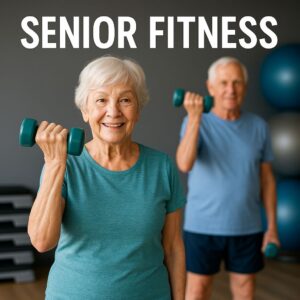
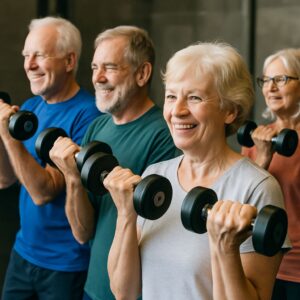
- Add resistance training twice weekly (bodyweight exercises count!)
- Incorporate balance challenges daily (try standing on one foot while brushing teeth)
- Practice flexibility work like gentle yoga or stretching
- Consider activities that combine social connection with movement: dancing, golf, or group fitness classes
Remember that consistency trumps intensity for long-term benefits. A recent study tracking seniors over 15 years found that those who maintained moderate activity had better outcomes than those who alternated between high-intensity workouts and sedentary periods. The message is clear: find movement you enjoy enough to sustain for life.
2. Brain Training for Lasting Cognitive Health
Your brain thrives on novelty and challenge. Contrary to outdated beliefs, cognitive decline isn’t inevitable with age—it’s largely preventable through consistent mental stimulation. The key is engaging in activities that require active thinking rather than passive consumption. This means challenging yourself with new skills rather than merely consuming information.
Neuroplasticity—your brain’s ability to form new connections—remains active throughout life. When you learn something new, especially something that combines cognitive and physical skills, you create what scientists call “cognitive reserve,” which provides resilience against age-related changes. Activities like learning a musical instrument, studying a new language, or mastering digital photography are particularly effective because they engage multiple brain regions simultaneously.
- Learn something new that requires sequential mastery (musical instrument, language, dance steps)
- Play strategic games that require planning and memory (chess, bridge, certain video games)
- Engage in discussions about topics outside your comfort zone
- Practice recall by minimizing reliance on technology for everyday memory tasks
- Combine physical and mental challenges (dancing, tai chi, sports strategy)
3. Nutrition Shifts That Add Years to Your Life
The foods that sustain us in our earlier years may not serve us best as we age. After 50, metabolic changes and declining muscle mass create new nutritional needs. The focus shifts from calorie counting to nutrient density—maximizing essential vitamins, minerals, and protein while minimizing empty calories and inflammatory foods. For more on dietary adjustments, explore protein needs after 60 and how they can impact your health.
Protein becomes particularly crucial for maintaining muscle mass, with research suggesting seniors need approximately 1.2-1.5 grams per kilogram of body weight daily—significantly more than younger adults. Equally important are foods rich in antioxidants that combat inflammation, the underlying factor in most age-related diseases. The Mediterranean and MIND diets, which emphasize colorful vegetables, fatty fish, olive oil, nuts, and berries, consistently show the strongest evidence for cognitive protection and overall longevity.
“What you eat in your 60s and 70s may have more immediate impact on quality of life than at any other time. The right nutrition can significantly improve energy levels, cognitive function, and immune response within weeks, not years.”
Simple shifts that make significant differences include adding fermented foods for gut health, ensuring adequate hydration (thirst perception diminishes with age), and incorporating foods rich in omega-3 fatty acids. These changes don’t require complex meal plans—simply prioritizing protein at each meal and ensuring half your plate consists of colorful vegetables creates a foundation for aging strong.
4. Social Connections as Medicine
The evidence is undeniable: strong social connections don’t just improve quality of life—they literally extend it. Multiple studies show that socially integrated individuals have approximately 50% lower mortality risk compared to those who are isolated, making social connection as powerful a health factor as smoking cessation or physical activity.
Quality matters more than quantity when it comes to relationships. Having meaningful connections where you both give and receive support provides the greatest benefits. This reciprocity activates neural pathways associated with purpose and reduces stress hormones that accelerate aging. The key is creating regular opportunities for connection that align with your interests and energy levels. For more insights on this topic, explore how healthy aging can be achieved through lifestyle changes.
Technology has transformed possibilities for social connection, even for those with mobility limitations. Virtual communities centered around shared interests—from gardening to genealogy—provide meaningful interaction without geographic constraints. Additionally, intergenerational connections offer unique benefits, allowing seniors to both share wisdom and stay connected to evolving perspectives. For those interested in maintaining cognitive health, exploring effective memory retention tips can be particularly beneficial.
5. Purpose: The Missing Ingredient in Longevity
Having a reason to get up in the morning might be the most underrated factor in healthy aging. The Japanese concept of “ikigai”—finding where your passions, talents, and the world’s needs intersect—provides a powerful framework for purpose-driven aging. Research from the Rush Memory and Aging Project found that participants with high purpose scores were approximately 2.4 times more likely to remain free of Alzheimer’s disease and 2.2 times less likely to develop mild cognitive impairment. For more insights, check out these effective memory retention tips.
Purpose takes many forms: mentoring others, volunteering, creating art, advocating for causes, or continuing modified work in your field of expertise. The critical element is feeling that your contributions matter. This doesn’t require grand gestures—teaching one person a skill you’ve mastered, participating in community improvement, or sharing your life experience through storytelling all create meaningful purpose.
The Baby Boomer Effect: Rewriting Aging Rules
Baby Boomers—the generation that transformed social norms throughout their lives—are now revolutionizing aging. Having witnessed their parents’ generation often struggle through retirement, they’re approaching their own senior years with unprecedented preparation and expectations. Their collective influence is reshaping everything from healthcare delivery to housing design.
The impact extends beyond their own generation. By demonstrating that aging can be a time of growth rather than decline, Boomers are creating new possibilities for all who follow. Their rejection of age stereotypes and commitment to continued engagement is creating cultural shifts that benefit society as a whole. For those interested in maintaining physical health, strength training over 60 is a great way to stay active and defy age-related expectations.
The Silver Economy Boom
The economic impact of this aging revolution is substantial. Adults over 50 now control approximately 70% of disposable income in the United States, creating enormous market influence. Industries from fitness and nutrition to technology and travel are responding with products and services specifically designed for active seniors. This “longevity economy” is projected to reach $13.5 trillion by 2032, creating new opportunities for both entrepreneurship and employment focused on healthy aging solutions.
How Boomers Are Changing Healthcare Forever
The healthcare system is undergoing fundamental transformation in response to Boomer demands for preventative approaches and patient-centered care. Traditional models focused on treating disease are giving way to integrated approaches aimed at maintaining function and quality of life. This shift includes greater emphasis on lifestyle interventions, mental health support, and coordinated care teams that address the whole person rather than isolated symptoms.
Your 30-Day Aging Strong Jumpstart Plan
Transforming how you age doesn’t require drastic lifestyle overhauls or expensive interventions. The most sustainable approach begins with small, consistent changes implemented over time. This 30-day plan provides a structured approach to building habits that support all five pillars of aging strong.
Week 1: Assessment and Foundation
Begin by establishing your baseline with simple self-assessments. Measure how long you can stand on one foot with eyes open (balance), how many chair rises you can complete in 30 seconds (lower body strength), and your walking pace over 400 meters (cardiovascular fitness). These simple metrics provide valuable data to track your progress. Next, identify one small daily movement habit you can implement consistently, such as a 10-minute morning walk or five minutes of gentle stretching before bed.
On the nutrition front, start by simply tracking your protein intake for three days to determine if you’re meeting the recommended 1.2-1.5 grams per kilogram of body weight. This awareness alone often leads to beneficial adjustments without strict dieting. Finally, schedule one social connection each day, even if it’s just a brief phone call or video chat with someone who energizes rather than depletes you.
Week 2: Building New Daily Habits
Now that you’ve established awareness, begin integrating specific practices from each pillar. Add resistance training twice weekly, using household items or your body weight if you don’t have exercise equipment. Incorporate one brain-challenging activity daily, such as learning five words in a new language, solving a puzzle, or practicing a new skill for 15 minutes. For nutrition, focus on adding rather than restricting—specifically, add one serving of colorful vegetables to each meal and ensure protein is present at breakfast, typically the meal where seniors consume the least protein.
This week, expand your social connections by reaching out to someone you haven’t spoken with in more than six months. Often these reconnections provide surprising joy and support. Also begin a simple gratitude practice by noting three specific things you appreciate each evening, which research shows significantly improves well-being and sleep quality in older adults.
Week 3: Strengthening Your Support System
Building sustainability into your aging strong plan requires creating supportive environments and relationships. This week, identify one or two accountability partners who share your healthy aging goals. Research shows that having specific accountability increases follow-through by up to 65%. Explore local resources that support your goals, such as senior fitness classes, community gardens, volunteer opportunities, or lifelong learning programs.
Take time to modify your physical environment to support movement throughout the day. Simple changes like placing a sturdy chair in spots where you can perform balance exercises, keeping resistance bands visible as reminders, or arranging your kitchen to make healthy foods more accessible can dramatically increase consistency. Also consider technologies that might support your goals, from fitness trackers to meal planning apps designed for seniors.
Week 4: Fine-Tuning Your Personal Aging Strong Formula
By week four, you’ll have enough experience to customize your approach based on what’s working best for you. Review your activities from the previous weeks and identify which ones provided the most benefit with the least resistance. These are your “keystone habits”—practices that naturally lead to other positive behaviors. For most people, consistent morning movement becomes a keystone habit that improves energy, mood, and decision-making throughout the day.
This week, focus on finding purpose by identifying specific ways your experience and knowledge can benefit others. Consider teaching a skill you’ve mastered, sharing your professional expertise through mentoring, or supporting causes that matter to you. Creating this sense of purpose dramatically increases motivation to maintain health-promoting habits. Finally, develop a simple plan for maintaining momentum beyond the 30 days, including how you’ll respond when disruptions like travel or illness temporarily interrupt your routine.
Technology: Your Secret Weapon for Aging Strong
Technology has transformed the aging experience, providing tools that were unimaginable a generation ago. From health monitoring to social connection, digital innovations offer powerful support for all five pillars of aging strong. The key is selecting technologies that truly serve your goals rather than creating additional complexity or stress.
Apps That Transform How You Age
The right applications can provide structure, accountability, and personalization for your aging strong journey. Nutrition tracking apps specifically designed for seniors help optimize protein intake and nutrient density without focusing on calorie restriction. Cognitive training applications like BrainHQ and Lumosity offer scientifically-validated exercises that target specific cognitive functions like processing speed and attention. For movement, apps like Silver Sneakers GO provide exercise routines specifically designed for older adults, with modifications for different fitness and mobility levels.
Wearables Worth Your Investment
Fitness trackers have evolved far beyond simple step counters to provide insights that directly support healthy aging. Advanced wearables now monitor sleep quality, heart rate variability, and even fall risk by analyzing gait patterns. These metrics provide early warning signs of potential health issues, allowing for proactive intervention before problems escalate.
The real value of wearables comes from establishing your personal baselines and tracking trends over time, rather than comparing your metrics to generic standards. This individualized approach allows you to identify what activities and habits most positively impact your health markers. Many devices now include features specifically designed for seniors, such as emergency response systems, medication reminders, and simplified interfaces.
Virtual Communities That Keep You Thriving
Digital platforms have created unprecedented opportunities for meaningful connection regardless of mobility limitations or geographic location. Specialized online communities bring together individuals with shared interests, from gardening and genealogy to specific health conditions or life experiences. These communities provide not only social connection but also valuable information exchange and emotional support from those facing similar challenges. Virtual volunteering opportunities further expand possibilities for purpose and contribution, allowing you to mentor, tutor, or provide support services from your home.
When to Start? The Science Says Now
The research is unequivocal: the benefits of healthy aging practices begin immediately at any age. Studies consistently show measurable improvements in strength, balance, cognitive function, and mood within 4-6 weeks of implementing appropriate interventions. While earlier adoption provides cumulative advantages, starting in your 60s, 70s, or even 80s still yields significant benefits.
Perhaps the most compelling evidence comes from studies of identical twins with different lifestyle patterns. When one twin maintains physical activity, social engagement, and cognitive challenges while the other does not, the differences in function and quality of life become dramatically apparent, despite identical genetic makeup. This evidence conclusively demonstrates that lifestyle choices outweigh genetic factors in determining how we age. The question isn’t whether healthy aging practices work—it’s whether you’ll start implementing them today.
Frequently Asked Questions
- What if I have existing health conditions? Can I still benefit from these practices?
- How quickly will I notice improvements if I start now?
- Do I need special equipment or gym membership to age strong?
- Is it necessary to make dietary changes if I’m already at a healthy weight?
- How do I balance rest and activity as I age?
Is it too late to start aging strong if I’m already in my 70s?
Absolutely not. Some of the most compelling research on physical and cognitive improvement comes from studies of adults in their 70s, 80s, and even 90s. A landmark study at Tufts University found that adults in their 90s increased their strength by over 100% through appropriate resistance training. Similar research shows cognitive training produces significant benefits regardless of age. While you might not reach the same absolute capacity you had in your 40s, you can dramatically improve function from your current baseline at any age. The key is starting with appropriate modifications and progressing gradually to avoid injury or discouragement.
What’s the single most important habit for healthy aging?
While all five pillars contribute to healthy aging, consistent, appropriate physical activity shows the strongest and most immediate impact across multiple health dimensions. Movement directly improves cardiovascular health, metabolism, bone density, balance, and mood. Perhaps most significantly, it enhances brain health through increased blood flow and the production of brain-derived neurotrophic factor (BDNF), which stimulates new neural connections. For those over 60, incorporating strength training can be particularly beneficial to maintain muscle mass and improve overall well-being.
The most beneficial approach combines different types of movement throughout the week:
- Cardiovascular activity that moderately elevates heart rate (walking, swimming, cycling)
- Resistance training that challenges major muscle groups (weights, bands, or bodyweight exercises)
- Balance practice that challenges stability in safe environments
- Flexibility work that maintains range of motion
- Incidental movement throughout the day (reducing prolonged sitting)
If you’re currently inactive, simply breaking up sitting time with brief movement breaks every 30 minutes provides significant benefits. Start where you are and build gradually, focusing on consistency rather than intensity. For those looking to enhance their flexibility, consider using foam rollers to improve flexibility and aid recovery.
How much does genetics determine how I’ll age?
The science has shifted dramatically on this question in recent decades. Current research indicates that genetics accounts for only about 20-30% of how we age, with lifestyle factors determining the remaining 70-80%. Even individuals with genetic predispositions to certain conditions can significantly delay onset or reduce severity through appropriate lifestyle practices.
The emerging field of epigenetics—the study of how behaviors and environment influence how genes function—has revealed that gene expression can be modified throughout life. Activities like regular exercise, stress management, and nutrition can actually turn beneficial genes on and harmful genes off, essentially allowing you to influence which genetic tendencies become active.
“Your genes may load the gun, but your lifestyle pulls the trigger. Even with family history of age-related conditions, appropriate lifestyle practices can dramatically alter your aging trajectory.”
Rather than viewing your family history as destiny, use it as information to guide your preventative practices. If longevity runs in your family, lifestyle factors can help ensure those extra years are healthy ones. If certain conditions appear frequently in your relatives, targeted preventative measures can significantly reduce your risk or delay onset by decades. For more insights on living longer and healthier, consider exploring the six shifts needed for healthy aging.
Can I age strong on a fixed income?
Absolutely. Many of the most effective aging strong practices require little or no financial investment. Walking remains one of the most beneficial exercises and costs nothing beyond appropriate footwear. Resistance training can be accomplished with household items or inexpensive resistance bands. Nutrition improvements often save money when you shift from processed foods to simple, whole foods prepared at home.
Many communities offer free or low-cost resources specifically for seniors, including fitness classes through community centers, nutrition programs through senior services, and lifelong learning opportunities through libraries and community colleges. Medicare now covers many preventative services, and some Medicare Advantage plans include fitness benefits like Silver Sneakers, which provides access to gyms and classes nationwide.
- Use online resources like YouTube for free exercise videos specifically designed for seniors
- Join walking groups at local malls or parks for no-cost movement and social connection
- Take advantage of senior discounts at farmers’ markets for affordable fresh produce
- Check your local Area Agency on Aging for free wellness programs and resources
- Consider skill exchanges where you trade your expertise for services that support your health goals
Remember that the costs of not aging strong—including increased medication needs, assistance services, and reduced quality of life—far outweigh the modest investments in preventative practices. Even small changes implemented consistently create significant benefits without straining your budget.
How do I convince my spouse or partner to join me in aging strong?
Starting a health journey can be challenging when your partner isn’t initially interested. Rather than trying to convince through facts or pressure, focus on making changes that create visible positive results in your own life. As your energy, mood, and capability improve, you become a living example of the benefits. Invite rather than insist, suggesting activities you might enjoy together without framing them as “exercise” or “health food.”
Find connecting points between their interests and aging strong principles. If they enjoy gardening, emphasize how strength training would make it easier and more enjoyable. If they value independence, discuss how these practices support continued self-sufficiency. Remember that different motivations work for different people—some are inspired by health data, others by quality of life improvements, and still others by social opportunities.
Most importantly, respect their autonomy while creating an environment that makes healthy choices easier. Keep nutritious foods readily available, suggest walking meetings instead of sitting discussions, and celebrate small changes rather than focusing on what they’re not yet doing. Your consistent example and positive reinforcement are far more persuasive than criticism or pressure could ever be. For instance, incorporating low-impact exercises can be a great way to encourage healthy habits.
Ready to transform how you age? The Vital Life Method has helped thousands of seniors implement sustainable, science-backed strategies for aging strong. Discover the benefits of low-impact water aerobics to fit your unique circumstances and goals.

Leave a Reply