
Key Takeaways
- Research shows seniors aged 60+ can achieve significant health benefits with 6,000-8,000 daily steps, challenging the universal 10,000-step goal
- Even modest increases from 2,700 to 4,400 steps daily can reduce mortality risk by 41% in older adults
- Walking pace matters—seniors who maintain a cadence of 100+ steps per minute show a 21% greater reduction in mortality risk
- Step goals should be personalized based on age, existing health conditions, and baseline fitness levels
- Breaking walking sessions into multiple 10-minute intervals throughout the day provides similar benefits to longer continuous walks
Why 8,000-10,000 Daily Steps Boost Senior Longevity
Walking is nature’s perfect exercise for seniors. Extensive research now confirms that daily step count serves as one of the strongest predictors of longevity and overall health for older adults. Senior health experts recommend personalized walking regimens as foundational components of any comprehensive wellness program for older adults. The simple act of putting one foot in front of the other creates a cascade of health benefits that extend far beyond cardiovascular improvements.
But how many steps should seniors actually aim for? While the popular 10,000-step goal has dominated fitness culture for decades, recent scientific evidence suggests this number may need adjustment for older adults. Studies examining mortality rates among seniors have discovered that the optimal range typically falls between 6,000-8,000 steps daily for adults over 60, with diminishing returns beyond this threshold. This represents welcome news for seniors who may have found the 10,000-step benchmark intimidating or physically challenging.
The relationship between step count and longevity follows a dose-response pattern—meaning even modest increases yield meaningful benefits. One landmark study tracking over 17,000 women aged 62-101 discovered that participants averaging just 4,400 daily steps experienced a remarkable 41% reduction in mortality compared to those walking 2,700 steps. Most encouragingly, this research demonstrated that benefits begin accruing with even small increases in daily activity.
Research Shows Walking Reduces Age-Related Disease Risk
The preventative power of walking extends across multiple age-related conditions. Regular walking has been scientifically proven to reduce the risk of cardiovascular disease, type 2 diabetes, certain cancers, and cognitive decline. These protective effects appear to work through multiple physiological mechanisms, including improved insulin sensitivity, reduced inflammation, enhanced immune function, and better cerebral blood flow.
Perhaps most compelling are the findings regarding walking and brain health. A rigorous analysis from the UK Biobank found that approximately 9,800 steps daily provided optimal protection against dementia. However, even reaching 3,800 steps daily was associated with a 25% reduction in dementia risk—highlighting that any increase in physical activity provides meaningful cognitive benefits. Walking stimulates the release of brain-derived neurotrophic factor (BDNF), which supports neuron health and formation of new connections between brain cells. For more insights on cognitive well-being, explore these effective memory retention tips.
For seniors concerned about bone density and fall risk, walking delivers dual benefits. The weight-bearing nature of walking helps maintain bone mineral density, while the dynamic balance required during walking strengthens proprioception and coordination systems. This combination directly addresses two primary risk factors for fractures in older adults. Walking outdoors provides the additional advantage of vitamin D synthesis from sun exposure, further supporting bone health and immune function.
How Step Count Affects Heart Health, Cancer Risk, and Dementia Prevention
The cardiovascular benefits of regular walking are particularly significant for seniors. Each step requires your heart to pump blood more efficiently, gradually strengthening cardiac muscle and improving vascular elasticity. This translates to lower blood pressure, reduced arterial stiffness, and decreased risk of heart attack and stroke. One analysis found that seniors who maintained higher step counts showed significantly better heart rate variability—a key indicator of cardiovascular health and resilience. For those looking to complement their walking routine, exploring senior warm-up exercises can be beneficial.
Cancer prevention represents another compelling reason for seniors to increase their step count. Multiple studies have demonstrated associations between regular walking and reduced risk of colon, breast, and lung cancers. These protective effects appear linked to improved immune surveillance, reduced systemic inflammation, and better hormonal regulation. Walking after meals proves particularly beneficial, as it helps regulate blood glucose levels and reduces insulin spikes that may promote cancer cell growth. For those interested in other forms of exercise, low-impact water aerobics can also be a great option to maintain fitness and health.
For brain health, walking emerges as one of the most effective interventions available. Beyond the previously mentioned dementia protection, walking improves cognitive performance, elevates mood, and reduces anxiety. The rhythmic, bilateral movement of walking activates multiple brain regions simultaneously, creating what researchers call “whole brain engagement.” This neural integration helps maintain connectivity between brain regions that typically deteriorate with age. Walking outdoors in natural settings provides additional cognitive benefits through attention restoration and stress reduction.
The Surprising Benefits of Even 6,000 Steps Per Day
The discovery that 6,000 daily steps provides substantial longevity benefits for seniors represents a game-changing insight. This more achievable target places improved health within reach for many older adults who previously found exercise recommendations intimidating. Multiple large-scale studies examining the relationship between step count and mortality have confirmed that seniors achieving 6,000-8,000 steps experience the most significant mortality reduction, with benefits beginning to plateau beyond this range.
What makes this finding particularly valuable is its accessibility. For a typical senior, 6,000 steps translates to approximately 2.5-3 miles of walking, which most can accomplish within 60-90 minutes of cumulative daily activity. This duration aligns perfectly with public health recommendations of 150 minutes of moderate activity weekly. The flexibility of accumulating these steps throughout the day—rather than in a single session—further enhances adherence for those with joint issues or limited stamina.
Beyond longevity, reaching 6,000 daily steps correlates with meaningful improvements in metabolic health. Seniors achieving this threshold demonstrate better glucose tolerance, improved lipid profiles, and reduced markers of inflammation. The metabolic improvements appear to occur through multiple pathways, including enhanced mitochondrial function, improved insulin signaling, and reduced visceral fat accumulation. For seniors managing conditions like pre-diabetes or metabolic syndrome, this moderate step goal offers an effective intervention without medication side effects.
Finding Your Personal Step Goal: Age Matters
While research provides general guidelines, determining your optimal step count requires considering individual factors, particularly your age. The scientific consensus shows clear differences in recommended step targets across age brackets within the senior population. Research reveals that adults in their 60s typically benefit most from 7,000-8,000 daily steps, while those in their 70s may find optimal benefits in the 5,000-7,000 range, and individuals 80+ often achieve significant health improvements with 4,000-6,000 steps.
Your current fitness level and health status also play crucial roles in setting appropriate targets. Seniors recovering from illness or with limited mobility should focus on progressive improvements rather than absolute numbers. An increase of just 1,000 steps from your current baseline can yield measurable health benefits regardless of your starting point. The key principle is consistency rather than occasional high-step days followed by inactivity. For more insights, you can explore whether hitting 10,000 steps a day makes a difference.
Consider tracking your steps for one week without making any lifestyle changes to establish your baseline. This data-driven approach provides a realistic foundation for setting incremental goals. Many seniors discover they’re already accumulating 2,000-3,000 steps through normal daily activities, making additional increases more achievable than previously thought. Remember that seasonal factors may affect your capacity as well, with most seniors naturally accumulating more steps during temperate months than during extreme weather periods.
Step Recommendations By Age Group (60s, 70s, 80+)
For healthy adults in their 60s, research suggests aiming for 7,000-8,000 daily steps provides optimal longevity benefits. This age group typically maintains sufficient joint health and cardiovascular capacity to handle this volume without excessive strain. Those in their 60s often benefit from incorporating one or two slightly longer walks (30-45 minutes) weekly while accumulating the remainder of their steps through regular daily activities and shorter intentional walks.
As seniors move into their 70s, physiological changes often necessitate adjusting expectations to 5,000-7,000 daily steps. This range still confers substantial health benefits while acknowledging the natural changes in energy levels and recovery capacity. For many in this age bracket, focusing on consistency becomes increasingly important, with daily walking habits providing structure and maintaining physical function. Breaking steps into multiple shorter sessions throughout the day helps manage fatigue and reduces joint stress.
For those 80 and above, research demonstrates significant health improvements with 4,000-6,000 daily steps. This range acknowledges both the physiological realities of advanced age and the increased importance of maintaining independence. At this life stage, walking serves multiple crucial functions: preserving mobility, maintaining social connections, supporting cognitive health, and preventing sarcopenia (age-related muscle loss). Even small increases in daily step count can meaningfully extend independent living capacity for this age group. For more insights on whether hitting 10,000 steps a day makes a difference, you can explore related research.
How Health Conditions Affect Your Ideal Step Count
Existing health conditions require thoughtful modifications to step goals. Seniors managing arthritis may benefit from dividing their walking into multiple shorter sessions throughout the day, focusing on consistency rather than duration. Water walking provides an excellent alternative for those with significant joint pain, offering comparable cardiovascular benefits with minimal impact stress. Those with osteoporosis should prioritize walking on even surfaces to reduce fall risk while still gaining the bone-strengthening benefits of weight-bearing activity.
Cardiovascular conditions necessitate close collaboration with healthcare providers when establishing appropriate step targets. Many cardiac rehabilitation programs now incorporate progressive walking protocols, typically starting with shorter, more frequent walks and gradually increasing duration rather than intensity. Seniors with controlled hypertension often find that regular walking helps reduce blood pressure and may even decrease medication requirements over time, though consistency proves more beneficial than occasional intense sessions. For those interested in diversifying their fitness routines, exploring senior warm-up exercises can provide additional benefits.
Metabolic conditions like diabetes particularly benefit from post-meal walking. Even short 10-minute walks following meals can significantly improve glucose management by enhancing insulin sensitivity and promoting immediate glucose uptake by working muscles. For seniors managing multiple chronic conditions, the focus should shift toward functional goals rather than step counts—maintaining the ability to walk to mailbox, navigate a grocery store, or participate in family activities often provides more meaningful metrics than arbitrary step targets. To understand more about the impact of walking on health, you can read about step counts and health benefits.
Signs You’re Walking Too Much (Or Too Little)
Finding your optimal walking balance requires paying attention to your body’s feedback signals. Signs you may be walking too much include persistent fatigue lasting more than 24 hours after walking, increasing joint pain that doesn’t resolve with rest, sleep disturbances despite feeling tired, or declining interest in previously enjoyable activities. These symptoms suggest your current step goal exceeds your body’s recovery capacity and warrants temporary reduction while maintaining consistency. For more on recovery, consider how foam rollers improve flexibility and aid recovery.
Conversely, indicators you could benefit from increasing your step count include completing your current walking routine without feeling challenged, noticing weight gain despite maintaining dietary habits, experiencing afternoon energy slumps, or feeling restless or anxious when sedentary. These signals often indicate your body has adapted to your current activity level and would benefit from progressive increases. The most sustainable approach involves adding 500-1,000 steps every 1-2 weeks rather than dramatic changes.
Balance in walking intensity matters as much as total volume. Mixing different walking speeds—from leisurely strolls to brief periods of brisker walking—provides more comprehensive health benefits than maintaining a single pace. This approach, sometimes called interval walking, stimulates different energy systems and muscle fibers while preventing adaptation plateaus. Listen for the “Goldilocks zone” feedback from your body—feeling pleasantly tired but energized after walking rather than exhausted or completely unchallenged. For those interested in complementing their walking routine, consider exploring low-impact water aerobics for additional fitness benefits.
Quality Over Quantity: Walking Pace and Intensity
The pace of your walking significantly influences its health benefits, sometimes even more than total step count. Walking intensity, typically measured by steps per minute (cadence), directly affects cardiovascular conditioning, metabolic impact, and muscular engagement. Research indicates that seniors who regularly include periods of moderate-intensity walking—roughly 100 steps per minute or a pace that makes conversation slightly challenging—experience enhanced cardiovascular adaptations compared to those who only walk at a leisurely pace, regardless of total distance.
Incorporating brief intervals of slightly faster walking into your routine can substantially increase health benefits without significantly increasing time commitment or discomfort. This approach, sometimes called “pace variety walking,” involves alternating between comfortable walking and slightly faster segments lasting 30-60 seconds. These short bursts stimulate greater cardiovascular adaptation while remaining accessible for most seniors. Even those with mobility limitations can often increase arm swing or stride length briefly to achieve similar intensity variations.
Walking surface and terrain also influence intensity independent of pace. Walking on uneven natural surfaces like grass or dirt paths engages more stabilizing muscles and burns approximately 30% more calories than walking the same distance on pavement. Gentle hills provide natural intensity intervals, with uphill portions increasing heart rate and downhill segments allowing recovery. However, seniors with balance concerns should prioritize stable surfaces with predictable footing to reduce fall risk, recognizing that safety always outweighs marginal intensity benefits.
Why Cadence (Steps Per Minute) Is Just As Important As Total Steps
Cadence—the number of steps you take per minute—represents a critical but often overlooked aspect of walking for seniors. Research shows that seniors who maintain a cadence of approximately 100 steps per minute achieve what exercise physiologists call “moderate-intensity physical activity,” the sweet spot for cardiovascular benefits. At this pace, you’ll feel slightly breathless but still able to maintain a conversation, indicating optimal exertion for heart health.
Different cadence ranges produce distinct physiological responses. A leisurely pace of 60-80 steps per minute primarily builds endurance and supports joint mobility. The moderate range of 90-110 steps per minute strengthens cardiovascular capacity and enhances metabolic function. Brief periods at 110+ steps per minute challenge your aerobic system more intensely, triggering favorable adaptations in heart muscle and lung efficiency. The beauty of cadence-based walking is that it can be personalized regardless of your baseline fitness—each person works within their relative intensity zones.
For practical application, try counting your steps for 15 seconds during your typical walk, then multiply by four to calculate your current cadence. Most seniors naturally walk between 70-90 steps per minute. Gradual increases of 5-10 steps per minute every few weeks allow your body to adapt safely while progressively improving fitness. Consider using music with appropriate beats per minute (BPM) to naturally guide your cadence without conscious counting.
The 21% Mortality Reduction From Faster Walking
The life-extending benefits of walking pace cannot be overstated. A comprehensive analysis published in the British Journal of Sports Medicine found that seniors who maintained a brisk walking pace experienced a 21% lower all-cause mortality risk compared to those who walked at a slower pace, even when controlling for total walking volume. This striking difference suggests that occasional bursts of faster walking may trigger unique physiological adaptations not achieved through slower walking alone. For those interested in enhancing their fitness routine, incorporating senior warm-up exercises can be beneficial.
These mortality benefits appear linked to several biological mechanisms. Faster walking creates greater demand on the cardiovascular system, strengthening heart muscle and improving oxygen delivery efficiency. It enhances mitochondrial density and function in muscle cells, effectively improving your body’s energy production capacity. Additionally, more vigorous walking stimulates greater production of beneficial myokines—specialized proteins released by working muscles that reduce systemic inflammation and improve metabolic regulation.
The good news is that “faster” walking is entirely relative to your current fitness level. For some seniors, this might mean a pace that feels like a 6 or 7 on a scale of 10, where 1 represents sitting still and 10 represents maximum possible effort. Others might use the “talk test”—walking just briskly enough that sentences become slightly shorter but conversation remains possible. The key principle is incorporating periods of slightly increased effort rather than maintaining comfort throughout your entire walk.
Balancing Intensity With Joint Health
While increased walking intensity offers substantial benefits, balancing these advantages with joint preservation requires thoughtful approach. Seniors with existing joint issues should prioritize proper footwear with adequate cushioning and support specifically designed for walking. The investment in quality walking shoes often pays dividends through reduced joint discomfort and improved walking mechanics.
Surface selection significantly impacts joint stress during walking. Grass, dirt paths, and specialized rubberized tracks absorb substantially more impact forces than concrete or asphalt. Many seniors find that treadmill walking with slight incline (1-2%) provides an ideal compromise—offering controlled terrain with reduced impact forces. For those with significant arthritis or joint replacement, pool walking creates almost zero joint compression while still elevating heart rate and engaging core stabilizing muscles.
Strategic timing of walks can further protect joint health. Morning stiffness affects many seniors with arthritis, making afternoon or early evening walks more comfortable and efficient. Brief dynamic stretching before walking and more sustained stretching afterward optimizes joint range of motion while reducing injury risk. Remember that proper movement itself serves as joint therapy—regular walking increases synovial fluid production and circulation, delivering nutrients to cartilage and removing inflammatory compounds. For those looking to enhance their routine, consider incorporating senior warm-up exercises to further support joint health.
Simple Ways To Increase Your Daily Steps
Boosting your daily step count doesn’t require dramatic lifestyle changes or lengthy workout sessions. Small, consistent adjustments to daily routines often prove most sustainable for seniors. The cumulative impact of these minor changes can transform a sedentary 2,000-step day into an active 6,000-step lifestyle without creating significant time pressure or physical strain.
Environmental restructuring represents one of the most effective strategies for increasing daily movement. Something as simple as placing your phone charger across the room rather than beside your chair creates natural movement opportunities. Similarly, relocating frequently used items to require an extra trip up or down stairs builds functional exercise into your day. These “movement nudges” work because they bypass motivation barriers by creating natural opportunities for walking without requiring deliberate exercise decisions.
Social connection provides powerful motivation for consistent walking. Scheduled walking dates with friends, joining neighborhood walking groups, or participating in community step challenges harnesses our natural desire for connection to support physical activity. Walking with others typically extends walking duration by 50-70% compared to solo walks while reducing perceived exertion. These social walks transform what might feel like obligatory exercise into enjoyable social engagement with health benefits as a welcome side effect.
1. The “Park and Walk” Method
The “park and walk” approach offers perhaps the simplest strategy for accumulating additional steps throughout your day. Rather than seeking the closest parking spot to your destination, intentionally park farther away to create a built-in walking opportunity. For grocery stores, doctor’s offices, or religious services, choosing spots 5-10 rows from the entrance can effortlessly add 200-500 steps per outing without requiring extra time allocation in your schedule.
This strategy proves particularly valuable for seniors with limited time for dedicated exercise but multiple daily errands or appointments. The psychological advantage comes from perceiving these walking segments as part of necessary activities rather than “extra” exercise requiring motivation. By implementing this approach consistently across your routine destinations, you might accumulate an additional 1,000-2,000 daily steps without scheduling specific walking sessions.
For those using public transportation, consider exiting one stop earlier than your destination when weather and time permit. This transit modification typically adds 5-10 minutes of walking while integrating perfectly into your existing schedule. Similarly, walking short distances between clustered errands rather than repositioning your car between nearby locations increases steps while often saving time spent finding new parking spaces.
2. Three 10-Minute Walks vs. One 30-Minute Walk
Multiple research studies confirm that accumulated walking sessions provide virtually identical health benefits compared to continuous walking of the same total duration. This “exercise snacking” approach offers particular advantages for seniors with joint issues, limited stamina, or time constraints. Breaking your walking into three 10-minute sessions distributed throughout the day typically yields 2,500-3,000 steps, nearly half the recommended daily target.
Consider anchoring these brief walks to existing daily routines to enhance consistency. A morning walk after breakfast, midday walk after lunch, and evening walk after dinner creates a natural rhythm that rapidly develops into habit. These strategic timing choices also provide metabolic advantages, as post-meal walking has been shown to improve glucose metabolism and reduce blood lipid spikes more effectively than walking during fasting periods.
The psychological benefits of shorter walks should not be overlooked. Many seniors find it easier to commit to 10-minute segments rather than longer sessions, reducing the mental barrier to getting started. These briefer walks also provide valuable mental breaks and stress reduction throughout the day rather than concentrating these benefits in a single session. For those managing chronic pain conditions, shorter durations often allow completion before discomfort escalates, building confidence and consistency.

3. Indoor Walking Routes For Extreme Weather
Weather extremes need not derail your walking routine when you develop alternative indoor routes. Shopping malls offer climate-controlled environments with level surfaces, benches for resting, and bathroom access—ideal conditions for seniors concerned about outdoor hazards. Many malls open early specifically for walker groups, providing both social connection and physical activity before regular shopping hours begin.
Larger grocery stores, department stores, and home improvement centers create additional indoor walking opportunities, with the average perimeter loop in these establishments measuring 800-1,000 steps. Combining several loops with shopping activities easily accumulates 2,000+ steps regardless of outdoor conditions. Some seniors find that purposeful shopping (selecting just a few items from different store sections) provides both physical activity and cognitive engagement through planning efficient routes.
Home-based walking alternatives maintain consistency during inclement weather or pandemic restrictions. Walking in place during television programs, marching through commercial breaks, or following gentle indoor walking videos provides accessible movement options regardless of space limitations. Some seniors create indoor circuits moving from room to room, incorporating functional movements like standing from chairs or stepping over obstacles to enhance balance training while accumulating steps. For more insights on how many steps can make a difference, check out this article from Mayo Clinic.
4. Social Walking Groups: Double Benefits
Organized walking groups offer seniors a powerful combination of physical activity and social connection—two critical components of healthy aging. These groups typically meet at regular times in safe locations, providing accountability, safety in numbers, and companionship. Research shows seniors participating in group walks average 2,000 more weekly steps than those attempting to maintain walking routines independently. For additional ways to stay active, consider exploring low-impact water aerobics as a complement to walking.
Many communities offer specialized walking programs through senior centers, religious organizations, or parks departments. These structured programs often include volunteer walk leaders trained in senior fitness considerations, emergency procedures, and appropriate pacing strategies. The progressive nature of these programs helps participants gradually increase walking duration and intensity in a supportive environment, with many offering distinct groups for different pace preferences.
Beyond step accumulation, walking groups address the critical issue of social isolation that affects many seniors. The side-by-side nature of walking creates natural opportunities for conversation without the pressure of face-to-face interaction, making these groups particularly valuable for seniors recently experiencing loss or transition. The dual health benefits of physical activity and social connection make walking groups among the most cost-effective health interventions available for the senior population.
“Map My Walk: Walking Tracker on the App …” from apps.apple.com and used with no modifications.
5. Technology Tools To Track Progress
Modern technology offers seniors unprecedented ability to monitor walking progress, maintain motivation, and connect with supportive communities. Basic pedometers provide simple step counting, while smartwatches and fitness trackers offer more comprehensive metrics including distance, heart rate, and sleep quality. Many seniors find that simply seeing their daily step count creates a natural desire to reach and exceed previous totals.
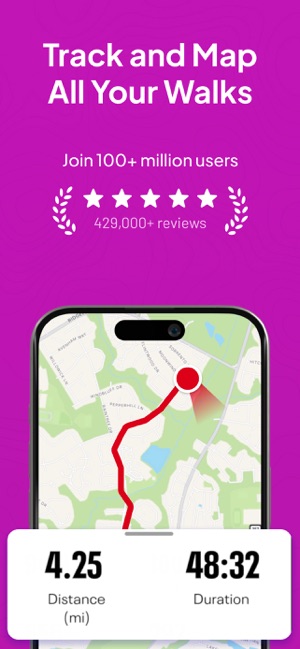
Smartphone applications like MapMyWalk, Pacer, or Strava provide additional functionality by tracking routes, calculating elevation changes, and connecting with fellow walkers. These apps often include achievement badges, weekly summaries, and historical comparisons that reinforce progress and celebrate consistency. The social features allow family members to share encouragement and monitor activity patterns of distant loved ones, providing both motivation and safety monitoring.
For technology-hesitant seniors, simpler options maintain benefits without electronic complexity. Paper tracking calendars with daily step tallies, wall charts showing cumulative monthly distances, or colored stickers marking walking days all provide visual reinforcement of developing habits. Some seniors find that converting steps into virtual “journeys” adds enjoyment—tracking progress across famous routes like the Appalachian Trail or historic pilgrimages by accumulating equivalent distances through daily walking. For more insights on walking benefits, you can read about hitting 10,000 steps a day.
Building A Sustainable Walking Routine
Sustainability trumps intensity when developing a long-term walking practice. Research consistently shows that moderate, consistent walking delivers superior health outcomes compared to sporadic high-intensity efforts. The most effective approach focuses on embedding walking into your identity rather than treating it as a temporary health intervention. When walking becomes “something you do” rather than “something you should do,” consistency naturally follows.
Psychological research on habit formation suggests that consistent walking cues significantly enhance adherence. Walking at the same times daily, keeping walking shoes visible by your favorite chair, or scheduling walks immediately following existing habits (like morning coffee) creates automatic behavior triggers. These environmental and temporal cues gradually reduce the decision-making burden associated with initiating walking sessions.
Enjoyment remains the most powerful predictor of walking program adherence among seniors. Experiment with different environments, companions, audio content, or walking purposes to discover what makes walking intrinsically rewarding for you. Some seniors find greatest satisfaction in nature walks focusing on seasonal changes, while others prefer urban routes exploring neighborhood architecture or history. Walking with purpose—whether delivering items to neighbors, photographing interesting sights, or collecting natural objects—often increases both engagement and distance covered without perceived effort.
Start Low, Go Slow: Safe Progression Plans
The principle of gradual progression provides the foundation for injury-free walking programs. Beginning with your current comfortable walking capacity—even if that’s just 5-10 minutes—establishes a realistic baseline that honors your body’s current capabilities. From this starting point, the most sustainable approach increases duration by approximately 10% weekly, allowing physiological adaptations to keep pace with increasing demands.
This measured approach typically means adding just 1-2 minutes to your walking time each week—a change so incremental it rarely triggers discomfort or resistance. Over six months, this gentle progression can transform a 10-minute starting capacity into 30-40 minutes of comfortable walking, fundamentally shifting your functional capabilities without injury risk. Patient progression proves particularly important for seniors with multiple health conditions or those returning to activity after illness or injury.
Track your subjective experience alongside objective measures like time or distance. Using a simple 1-10 scale for perceived exertion and joint comfort after each walk provides valuable feedback about appropriate progression pace. Ideally, most walks should feel moderately challenging (4-6 on exertion scale) but not painful or exhausting. If discomfort persists more than a few hours post-walk or interferes with other activities, maintaining current duration for an additional week before increasing allows full adaptation. For additional guidance on maintaining fitness, explore these senior warm-up exercises.
Weekly Step Goals That Actually Work
Effective goal-setting for walking incorporates both consistency and progressive challenge. Rather than focusing exclusively on daily targets, consider establishing weekly step minimums distributed across at least five walking days. This approach accommodates natural fluctuations in energy, weather constraints, and scheduling conflicts while maintaining sufficient frequency for health benefits.
Incremental improvement goals typically succeed where ambitious targets fail. If currently averaging 3,000 daily steps, setting a 4,000-step initial target represents meaningful progress while remaining achievable. Once consistently reaching this level for two weeks, increase by another 500-1,000 steps. This progressive approach ultimately builds toward optimal 6,000-8,000 step ranges for seniors without triggering the discouragement that often accompanies overly ambitious initial goals.
Consider implementing “non-negotiable minimums” alongside aspirational targets. On days when motivation wanes or circumstances limit activity, having a predefined minimum—perhaps 10 minutes of walking or 1,000 extra steps beyond baseline—maintains consistency while acknowledging reality. This approach prevents the “all-or-nothing” thinking that often derails exercise programs during challenging periods. Remember that consistency, even at reduced levels, builds stronger habits than periodic high-volume activity interspersed with complete inactivity.
Common Walking Mistakes Seniors Should Avoid
Even with the simplicity of walking, certain common mistakes can diminish benefits or increase injury risk for seniors. Perhaps the most prevalent error involves inconsistent pacing—alternating between periods of inactivity and overly ambitious walking. This irregular approach prevents your body from establishing proper adaptations while increasing joint stress during high-volume periods. Consistent, moderate walking distributed throughout the week provides superior results compared to weekend-only activity bursts.
Many seniors also overlook the importance of recovery within walking programs. While daily walking provides excellent health benefits, incorporating 1-2 weekly rest or reduced-activity days allows physiological recovery, particularly for those over 70. These recovery periods need not be completely sedentary—gentle stretching, seated exercises, or very light walking still maintain mobility while allowing joints and muscles to recuperate. Proper recovery prevents the cumulative fatigue that often leads to program abandonment. For those looking to enhance their routine, consider integrating some senior warm-up exercises to support flexibility and strength.
Improper Footwear And Joint Problems
Footwear selection represents one of the most critical yet frequently overlooked aspects of walking for seniors. Shoes designed specifically for walking provide appropriate arch support, heel cushioning, and forefoot flexibility that generic “sneakers” often lack. The ideal walking shoe offers sufficient toe box width to prevent friction injuries, secure heel counter to stabilize ankle movement, and midsole cushioning appropriate for your weight and walking surface. Investing in proper walking shoes often costs less than treating the injuries resulting from inadequate footwear.
Shoe replacement timing significantly impacts joint protection. The cushioning materials in walking shoes typically maintain effectiveness for 300-500 miles of use, corresponding to approximately 6-8 months of regular walking. After this period, even shoes that appear visually intact may have lost 30-40% of their shock absorption capacity, transferring these forces directly to your joints. Establishing regular replacement intervals based on your walking volume provides better protection than waiting until discomfort develops.
Ignoring Pain Signals
Learning to distinguish between normal exercise discomfort and potential injury signals remains essential for walking safety. Mild muscle soreness that develops 24-48 hours after increasing walking duration or intensity typically indicates beneficial adaptation processes. However, sharp, sudden, or localized pain during walking—particularly in joints—warrants immediate attention and often requires temporary modification of walking patterns.
Walking Without Proper Hydration
Dehydration significantly impairs walking performance and safety for seniors, who often experience diminished thirst sensation despite actual fluid needs. Proper hydration begins before walking, with 8-16 ounces of water consumed 30-60 minutes prior to moderate walking sessions. For walks exceeding 30 minutes, carrying water allows sipping every 10-15 minutes to maintain optimal hydration status, particularly in warm weather or higher humidity conditions. To further enhance your fitness routine, consider incorporating low-impact water aerobics as a complementary exercise.
Post-walk hydration proves equally important for recovery processes. Replenishing fluids within 30 minutes after walking supports efficient circulation of nutrients to muscles and removal of metabolic byproducts. Some seniors benefit from electrolyte-containing beverages after longer walks, particularly those taking medications that affect mineral balance. Monitoring urine color provides a simple hydration assessment—pale yellow indicates appropriate fluid balance, while darker yellow suggests increased fluid needs.
Walk Your Way To Better Health Today
Walking represents the perfect intersection of accessibility, effectiveness, and enjoyment for senior health. By starting where you are, progressing gradually, and focusing on consistency rather than perfection, you can transform your health trajectory through this simple daily practice. At Senior Health Partners, we’re committed to supporting your journey toward optimal health through personalized walking programs tailored to your unique needs and goals.
Frequently Asked Questions
Below are answers to common questions seniors ask about implementing effective walking routines. These evidence-based responses address practical concerns while providing actionable guidance for various health conditions and circumstances. For those interested in diversifying their exercise routine, consider exploring low-impact water aerobics as a complementary activity.
Can I split my walking into multiple short sessions instead of one long walk?
Absolutely! Research conclusively demonstrates that multiple shorter walking sessions provide virtually identical health benefits compared to a single longer session of the same total duration. For many seniors, three 10-minute walks distributed throughout the day may actually prove more beneficial than one 30-minute walk, particularly for managing post-meal blood glucose levels and reducing prolonged sitting periods.
This “exercise snacking” approach offers particular advantages for those with joint issues, as shorter duration activities typically cause less discomfort than extended walking sessions. The brief recovery periods between walking segments allow joints to reset while still accumulating sufficient total activity for cardiovascular and metabolic benefits. Many seniors find this approach integrates more seamlessly into daily routines while reducing the psychological barrier of committing to longer continuous activity.
Consider anchoring these shorter walks to existing daily routines—perhaps a morning walk after breakfast, midday walk after lunch, and evening walk after dinner. This habit-stacking approach increases consistency by connecting walking with already established behaviors. An additional benefit of multiple walking sessions includes more frequent exposure to natural light, which helps regulate circadian rhythms and may improve sleep quality.
Do steps around the house really count toward my daily goal?
Yes, every step counts toward your daily total, regardless of where it occurs! While intentional walking outdoors or on treadmills often comes to mind when discussing step goals, the cumulative impact of household movement significantly contributes to overall activity levels. Research using continuous activity monitoring has shown that routine household activities like cooking, cleaning, and laundry can generate 2,000-3,000 steps daily—a substantial portion of recommended totals.
What if my doctor advised against walking due to balance issues?
Balance concerns require adaptation rather than walking avoidance. Consider seated marching exercises that mimic walking movements while eliminating fall risk—these activities still elevate heart rate and engage leg muscles while maintaining safety. Another excellent option includes walking with supportive devices like four-wheel walkers with built-in seats, which provide stability while allowing rest periods as needed. For those interested in alternative exercises, low-impact water aerobics can also be a beneficial choice for maintaining fitness safely.
Water walking offers perhaps the ideal solution for those with significant balance challenges. The buoyancy of water reduces fall risk to near-zero while providing gentle resistance that enhances cardiovascular benefits. Many senior centers and rehabilitation facilities offer shallow-water walking programs specifically designed for those with balance or joint limitations. These programs typically include qualified supervision and adaptable difficulty levels to accommodate various ability levels.
How can I accurately track steps without a smartphone or fitness tracker?
Traditional pedometers remain excellent options for step tracking without technological complexity. These simple devices clip to your waistband or pocket and count steps through mechanical motion detection. Basic models typically cost $10-$20, require minimal setup, and provide clear numerical displays without requiring smartphone connectivity or charging. Many seniors appreciate the simplicity and reliability of these dedicated devices compared to multi-function alternatives.
For those preferring no electronic tracking, time-based measurement offers a practical alternative. At average senior walking paces, 10 minutes of continuous walking typically equates to approximately 900-1,100 steps. By tracking walking duration instead of step count, you can reliably estimate activity levels without any device. Simple tracking methods like marking walking minutes on a calendar or using a kitchen timer during walking sessions provide sufficient monitoring for most health purposes. For additional fitness routines, consider exploring senior warm-up exercises to complement your walking sessions.
Should I still try to walk 10,000 steps if I’m over 80 years old?
Research specifically examining older adults suggests that the benefits of walking begin to plateau at lower step counts for those over 80. Studies show that adults in this age group typically achieve significant mortality reduction benefits in the 4,000-6,000 step range, with diminishing returns beyond this level. This finding represents welcome news for older seniors who may find higher step counts physically challenging or time-consuming. For more insights, you can read about the impact of hitting 10,000 steps a day.
Rather than focusing exclusively on step count, adults over 80 often benefit from emphasizing walking quality over quantity. Maintaining proper posture, achieving comfortable arm swing, and incorporating brief periods of slightly faster walking potentially delivers greater functional benefits than simply accumulating steps. Including specific movements that challenge balance—like brief periods of walking with narrowed stance or gentle direction changes—enhances fall prevention benefits regardless of total step count.
Remember that individual capacity varies tremendously among older seniors, with some easily achieving 8,000+ daily steps while others find 3,000 steps challenging. The most important principle involves establishing your personal baseline and focusing on consistency and gradual improvement rather than comparing to arbitrary standards. Any increase from your current activity level will likely yield health benefits, regardless of your starting point or age.
At Senior Health Partners, we recognize that walking represents one of the most accessible and effective health interventions available for older adults of all ages and ability levels. Our personalized approach helps you develop sustainable walking habits tailored to your unique needs, preferences, and health conditions. To understand more about the benefits of walking, you can read this Mayo Clinic article on walking.
Walking is a simple yet effective way to maintain your health and fitness, especially as you age. Recent studies suggest that taking around 7,000 to 8,000 steps daily can significantly improve cardiovascular health and overall longevity. If you’re curious about the benefits of walking and whether reaching 10,000 steps a day truly makes a difference, there are many resources available that delve into this topic. Regular walking not only helps in weight management but also enhances mental well-being, making it a holistic exercise for seniors.




Leave a Reply